

For lighting work, the connector families that matter most are tab or FASTON terminals, 2 pin SAE style and bullet connectors, luminaire push in disconnects, and sealed heavy duty multi pin connectors. An important guideline is to match the connector’s AWG range and current rating to your actual load, and for vehicle-mounted applications, prefer polarized, keyed housings with secondary locks. Exposed automotive lighting should use sealed, vibration rated connectors, full stop.
TL;DR:
- Connectors used in lighting projects should be rated above the expected load and matched to wire gauge, with polarized, keyed, and sealed options for vehicle use.
- Sealed multi-pin connectors are essential for outdoor or off-road applications due to their vibration and water resistance, while simpler connectors work best in protected environments.
- Proper installation requires matching crimp tools, testing for continuity and polarity, and applying moisture protection like heat-shrink tubing, especially on sealed connectors.
- Checking datasheets for ratings such as UL, CSA, IP ratings, and compliance with standards like SAE J1292 ensures the connectors will withstand vehicle conditions.
- Using pre-made, sealed harnesses guarantees quality and reduces failure caused by incorrect mating, corrosion, or miswiring, especially in exposed or vibration-heavy setups.
Table of Contents
- Common connector types and where each one fits
- Specs and labels to check before you buy
- How to choose the right connector: a short checklist
- Installation and safety practices for wiring quick disconnects
- Sealed connectors versus tab and bullet connectors: a trade-off
- Installer tips and what we build into every harness
- Why connector choice decides how long your lighting lasts
- Get a harness built with the right connectors already matched
- Standards and datasheets worth checking before you buy
- Sources
- FAQ
Common connector types and where each one fits
Most lighting projects use common connector families suited to different applications, and knowing their typical uses helps avoid mismatched, failure-prone installs.
Tab or FASTON terminals are commonly used in simple lighting circuits and come in various standard widths. They push together and pull apart without tools, making them suitable for switch panels, relay connections, and service points.
Two pin SAE style and bullet connectors show up constantly in aftermarket wiring harnesses. They are compact, cheap, and quick to swap in the field, which is why builders use them on trailer lights, auxiliary lamps, and add-on accessories.

Luminaire disconnects and push in connectors, including products like PowerPlug and LIGHT-N-LOK, are built for fixture and ballast applications. Many are tool free, which matters in commercial retrofit work where a technician needs to swap a driver without stripping wire.
Sealed multi pin connectors, the kind sold under names like SUPERSEAL, are the right choice for anything bolted to a chassis and exposed to road spray, heat, or vibration.
- Tab/FASTON terminals: quick, serviceable, best for dry, low-vibration locations.
- 2-pin SAE and bullet connectors: compact and field friendly for aftermarket harnesses.
- Luminaire push-in disconnects: tool-free swaps for fixtures and ballasts.
- Sealed multi-pin connectors: the default for exposed, off-road, or high-vibration mounts.
Insulated terminals add a plastic sleeve over the crimp to prevent shorts against nearby metal, and they are almost always worth the small extra cost over bare, non-insulated versions.
Specs and labels to check before you buy
A product listing or datasheet only helps you if you know what to look for. A handful of specs decide whether a connector will actually work for your circuit or just look right on the shelf.
Start with AWG range and continuous current rating. Choose a connector rated above your expected load, not just equal to it, since heat and vibration both push real world performance below the label number.
- Tab size and gender: confirm the female receptacle matches the male tab, both in width and thickness.
- Polarization and keying: multi-terminal bodies should only mate one way, preventing a swapped or reversed connection.
- Secondary locks: a locking clip or detent that keeps the connector seated under vibration.
- IP rating and safety markings: look for UL or CSA listings and an IP67 or IP69K rating on anything exposed to water.
- Vibration and USCAR compliance: relevant for harness assemblies used in engine bays or on unsprung components like wheels.
Polarization is not optional for multi-terminal bodies. SAE J1292 requires multiple terminal connect-disconnect bodies to be polarized to prevent incorrect assembly, and it also calls for secondary locking features designed to hold up under vibration and temperature extremes. That single spec line on a datasheet tells you whether the connector was engineered for a vehicle or just for a bench.
UL and CSA markings matter too. A listing under UL2459 means the connector passed a finger-probe safety test, which is the standard way manufacturers demonstrate that exposed contacts will not shock someone during a fixture swap.
How to choose the right connector: a short checklist
Shopping for connectors gets simple once you work through the load first and the extras second.
- Calculate your expected current draw, then pick a connector rated above that number, not equal to it.
- Confirm the wire gauge falls inside the connector’s stated AWG range, and match the mating tab size exactly.
- Choose a polarized or keyed housing, or a proper multi-pin connector body, whenever you are running more than one conductor through the same junction.
- Prefer sealed, vibration-rated connectors for anything mounted outside the cabin, and reserve simple insulated crimps for protected, dry locations.
- Check the datasheet for UL or CSA listing and confirm the IP rating actually covers your installation environment before you buy.
Pro Tip: Buy one extra connector pair beyond what the job needs, so a bad crimp during install does not stall the whole project.
Skipping step one is the most common shortcut, and it is the one that causes melted housings six months later.
Installation and safety practices for wiring quick disconnects
A good connector installed poorly fails just as fast as a cheap one installed correctly, so the process matters as much as the parts list.
Use a ratcheting crimp tool matched to the terminal size, and pull on every crimp after making it to confirm it holds. Skip soldering removable connectors; a soldered joint turns brittle and cracks under the vibration a vehicle generates constantly.
Routing matters more than most installers expect. Guidance from SAE and related industry sources recommends locating connections in clean, dry areas away from road spray and heat sources whenever the layout allows it, because even a sealed connector is a backup, not a substitute for smart placement. Our own notes on waterproof lighting connectors for vehicle LED installs cover this in more depth.
- Add heat-shrink tubing over splices for a second layer of moisture protection.
- Use a secondary lock or clip on every connector exposed to vibration.
- Test continuity and polarity after install, then check voltage drop under load.
- Give the harness a physical tug test to confirm strain relief is holding.
Reaching a full IP69K rating on a sealed connector often requires a backshell accessory. TE Connectivity’s heavy-duty sealed connector documentation notes that the housing alone may not achieve that rating without it, which is worth checking before you assume a connector is fully wash-proof out of the box.
Sealed connectors versus tab and bullet connectors: a trade-off
Neither option is wrong, but each fits a different budget and exposure level.
- Sealed connectors: IP-rated sealing, vibration and USCAR-style resistance, and long service life outdoors.
- Sealed connectors’ downside: higher cost, bulkier housings, and more parts to source correctly.
- Tab and bullet connectors: low cost, compact, and easy to swap or repair in the field.
- Tab and bullet connectors’ downside: weaker sealing and lower tolerance for constant vibration.
For anything mounted under a truck, on a wheel, or near the ground, the sealed option earns its extra cost through fewer repeat repairs. For interior switch wiring or a dash accessory, a simple tab connector does the job without the added bulk.
Installer tips and what we build into every harness
We seat sealed connector assemblies and run a continuity and vibration check before final routing on every harness we build, since catching a loose pin on the bench is far easier than chasing an intermittent light on a trail.
The company designs every product with a focus on quality, and that includes wire harnesses and connector guidance provided with various lighting kits. Every kit ships with a satisfaction guarantee, and financing options are available for customers who want a full setup without paying the whole cost upfront.
If you are comfortable sourcing and crimping your own connectors, a simple tab or bullet setup can work fine for basic accessories. For anything exposed to weather or vibration, a pre-made harness with matched, sealed connectors removes the guesswork.
Why connector choice decides how long your lighting lasts
Most lighting failures we hear about trace back to two things: a connector wired backward because it was not polarized, or a connection that sat in a splash zone until corrosion set in. Both are preventable at the parts counter, not after the install.
Paying a little more for a polarized, sealed connector up front almost always costs less than the second repair. If you are building a harness from scratch and want a second opinion on the right connector for your setup, reach out to Wheel Light Express.
— Christopher
Get a harness built with the right connectors already matched
Sourcing individual connectors, matching tab sizes, and sealing every joint yourself takes time most builders would rather spend on the truck itself. Our wire harnesses come with pre-matched, sealed connectors and over-spec wiring built to avoid the mis-mating and corrosion issues that cause most lighting failures.
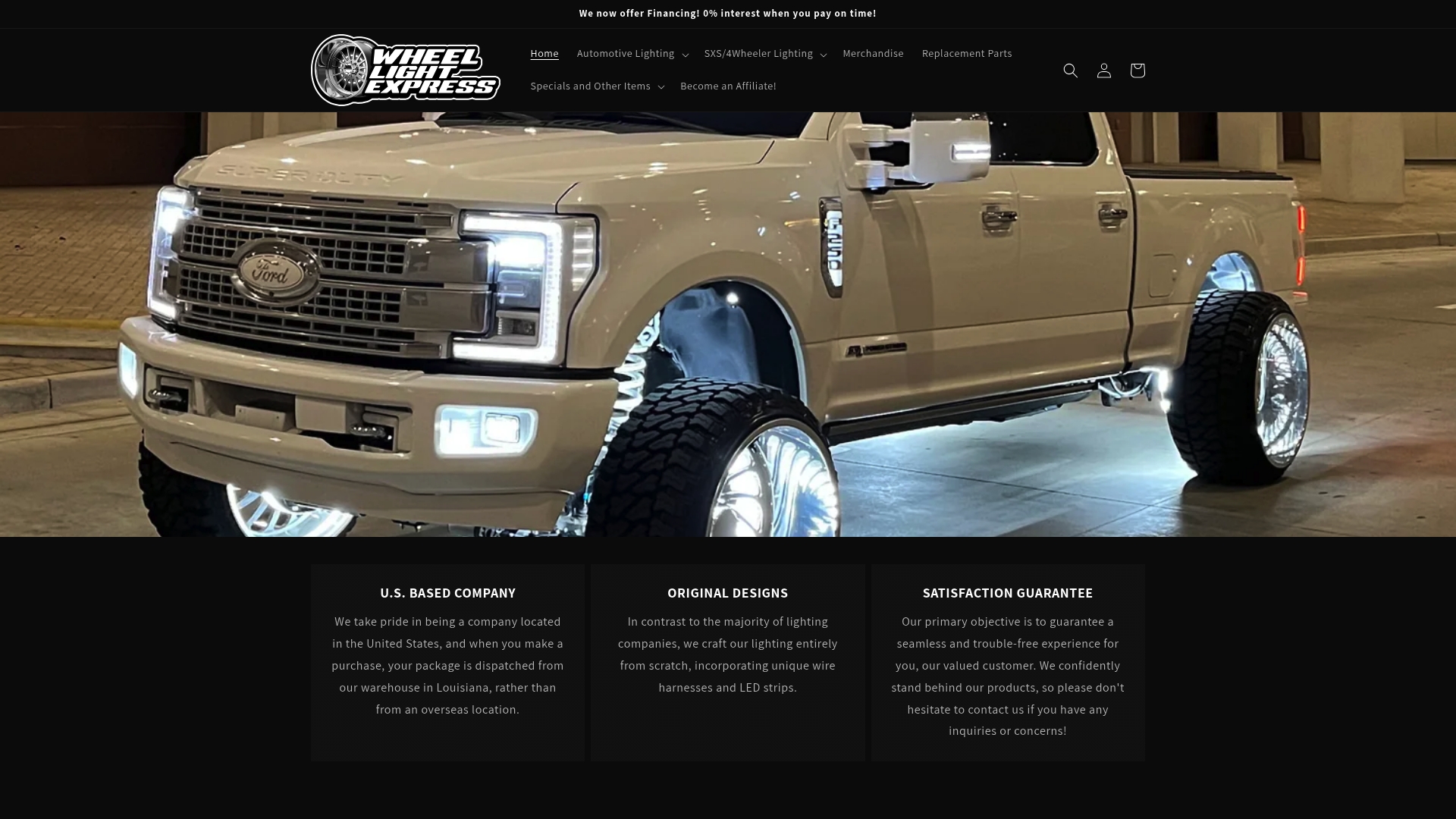
| Product | Best for |
|---|---|
| Wheel Lights | Full wheel lighting kits with matched connectors |
| Rock Lights | Off-road ground lighting in sealed housings |
| Portal Lights | Portal axle lighting conversions |
| Solar Powered Cab Lights | Cab accent lighting, $399 one-off |
Browse our wheel lights and rock lights collections, or check the replacement wire harness if you already have lights and just need connectors that will not let you down.
Standards and datasheets worth checking before you buy
A quick check against the source documents can settle any doubt about whether a connector meets the claims on its listing.
- SAE J1292 excerpt covers polarization and secondary locking requirements for multi-terminal bodies.
- The PowerPlug luminaire disconnect brochure details NEC/CEC compliance and UL/CSA finger-probe testing.
- TE Connectivity’s heavy-duty sealed connector documentation lists IP67/IP69K sealing and vibration-resistant design details.
Sources
- SAE J1292 (Automotive wiring standards) — excerpt
- PowerPlug luminaire disconnect brochure (IDEAL/ITM PDF)
- Heavy Duty Sealed Connector Series (TE Connectivity brochure)
FAQ
What is the difference between a quick connect and a quick disconnect?
The terms are largely interchangeable in lighting and automotive wiring, both describing a connector pair that mates and separates without soldering or permanent splicing. Some manufacturers use “quick disconnect” specifically for tab style terminals like FASTON, while “quick connect” often describes push in or bullet style housings.
Are electrical quick connectors safe?
They are safe when matched correctly to wire gauge and current load and installed with proper crimps, polarization, and secondary locks. Connectors that meet UL or CSA listings, such as those tested under UL2459 finger-probe requirements, are built specifically to reduce shock risk during fixture or ballast swaps.
What are the different types of quick disconnect fittings?
The main families are tab or FASTON terminals, 2 pin SAE style and bullet connectors, luminaire push in disconnects, and sealed multi pin connectors. Each fits a different use, from simple switch wiring to fully sealed off-road lighting circuits.
What are the different types of lighting connectors?
Lighting connectors range from insulated tab terminals for basic fixtures to tool-free luminaire disconnects like LIGHT-N-LOK for ballast retrofits, up to sealed heavy-duty multi-pin connectors rated for vibration and water exposure. The right choice depends on whether the circuit sits indoors, in a dry cabin, or exposed on a vehicle chassis.
How do I know if a connector will hold up on a vehicle?
Check the datasheet for a stated IP rating, vibration or USCAR compliance, and a secondary locking feature, since these three details separate automotive-grade connectors from general-purpose ones. A polarized, keyed housing paired with a sealed body is the combination most likely to survive long-term road use.