

Original lighting design is defined as the intentional, purpose-built approach to creating lighting systems that shape a vehicle’s visual identity, safety performance, and customization potential. For automotive enthusiasts, the role of original lighting design goes far beyond bulbs and brackets. It determines how your vehicle looks at night, how visible you are to other drivers, and how distinctly yours the build feels. In 2026, advances in LED, OLED, and adaptive lighting technology have made original lighting concepts more accessible and more impactful than ever. The U.S. Department of Energy identifies three core goals for effective lighting: aesthetics, security, and utility. All three apply directly to automotive lighting.
How does original lighting design shape vehicle aesthetics?
Lighting is the single most powerful tool for defining how a vehicle looks after dark. It controls which surfaces catch the eye, which lines feel sharp, and which curves feel soft. Done well, it turns a stock build into something that commands attention at a car show or a stoplight.
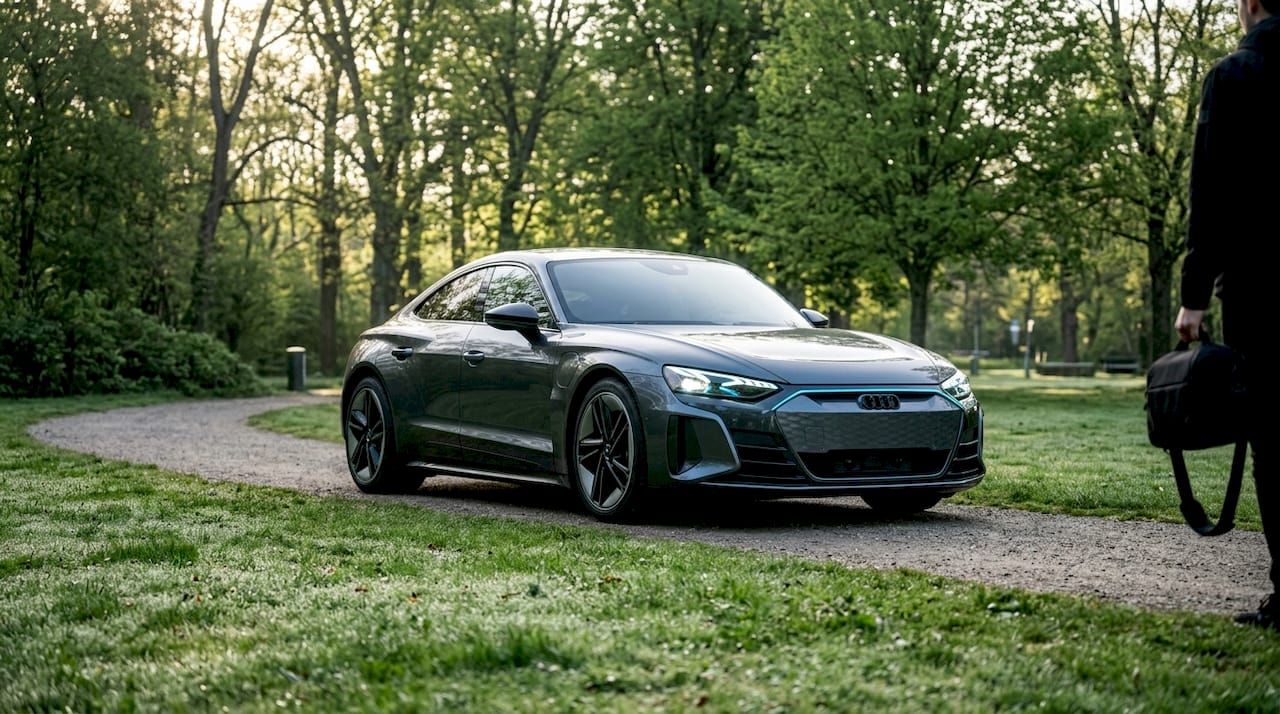
Lighting creates visual hierarchy by directing the viewer’s eye to specific shapes, textures, and forms. On a vehicle, this means accent lighting can emphasize a wide stance, wheel arches, or a sculpted hood line. Without intentional placement, even a well-built vehicle reads as flat and forgettable.
Shadows matter as much as light itself. Careful shadow manipulation adds depth and drama to a vehicle’s exterior, preventing the washed-out look that comes from over-lighting every surface. A well-placed LED strip that grazes a body panel creates dimension. Flooding the same panel with uniform light erases it.
Wheel lighting is one of the most effective tools for reinforcing a vehicle’s overall design language. When the wheel lighting aesthetics align with the body color, accent strips, and interior glow, the result is a cohesive visual statement rather than a collection of separate modifications. This is the difference between a build that looks designed and one that looks assembled.
Key aesthetic functions of original lighting design include:
- Visual emphasis: Accent strips and ring lights draw attention to body lines and wheel arches.
- Color temperature: Warmer tones create a welcoming, premium feel; cooler tones read as aggressive and modern.
- Layering: Combining ambient, accent, and functional light sources creates depth and visual interest.
- Brand identity: Consistent lighting choices across a build signal intentionality and craftsmanship.
Pro Tip: When selecting LED color temperature for exterior accents, test the color against your paint in both daylight and darkness. Colors shift significantly between the two conditions, and what looks right in the garage may read differently on the road.
Why is safety the most critical function of vehicle lighting?
Safety is the non-negotiable foundation of any vehicle lighting system. Headlights, tail lights, brake lights, and turn signals are not styling elements. They are communication tools between your vehicle and every other driver on the road.
Light placement, brightness, and color temperature each affect how quickly other drivers can read your intentions. Brake lights that are too dim, or turn signals that blend into ambient lighting, create real reaction-time problems. The U.S. Department of Energy confirms that effective lighting design must balance aesthetics, security, and utility simultaneously. Sacrificing any one of these for the others creates a system that fails its core purpose.
Visibility under varied conditions is where lighting design proves its value most clearly. Fog, rain, and low-light driving all reduce the margin for error. Properly designed headlights with the correct beam pattern and color temperature cut through these conditions more effectively than generic replacements. Lighting that is too blue or too white can actually reduce contrast in fog, making conditions worse rather than better.
Regulatory compliance is not optional. Federal Motor Vehicle Safety Standards (FMVSS) govern brightness levels, color, and placement for all road-legal lighting in the United States. Any custom lighting modification must stay within these standards. Enthusiasts who add aftermarket lighting without checking compliance risk both legal penalties and genuine safety hazards.
The numbered priorities for safe vehicle lighting design are:
- Correct beam pattern: Headlights must illuminate the road ahead without blinding oncoming drivers.
- Adequate brightness: Tail lights and brake lights must be visible at distance in daylight and darkness.
- Proper color: Red for brake and tail, amber for indicators, white for headlights and reverse. These are legal requirements, not suggestions.
- Secure mounting: Lights that vibrate loose or shift position create unpredictable visibility gaps.
- Wiring integrity: A failed connection mid-drive is a safety event. Purpose-built wire harnesses prevent this.
Lighting design balances aesthetics and energy efficiency with functional safety requirements. LED technology has made this balance easier to achieve, delivering higher brightness at lower power draw than older halogen systems.
What customization options does original lighting design offer enthusiasts?
Customization through lighting design gives vehicle owners the ability to express a personal aesthetic without permanent modification to the vehicle’s body or paint. It is one of the most reversible and cost-effective ways to change how a vehicle looks and feels.
Layering ambient, task, and accent lighting creates a dynamic visual experience that adapts to context. A vehicle can look understated in daylight and striking after dark, simply through thoughtful placement of LED strips, wheel rings, and interior ambient sources. This layering approach is the foundation of custom lighting integration for serious builds.
The most popular customizable lighting elements for automotive enthusiasts include:
- Wheel light rings: Circular LED rings mounted inside the wheel that illuminate the rim from within, creating a glow effect visible from the side of the vehicle.
- LED strips: Flexible strips applied to undercarriage, door sills, engine bays, or interior panels for accent lighting.
- Interior ambient lighting: Footwell, dashboard, and seat-back lighting that changes the feel of the cabin.
- Wire harnesses: The wiring infrastructure that connects all lighting elements to the vehicle’s power system cleanly and safely.
- Remote controls: Allow color, brightness, and pattern changes without accessing the vehicle’s wiring.
Integrating lighting design early in a build prevents the mismatched results that come from adding lights as an afterthought. Enthusiasts who plan their lighting alongside other modifications achieve a more cohesive result. Lighting that was considered from the start looks designed. Lighting added at the end looks added.
Safety considerations apply to custom lighting just as they do to factory systems. Aftermarket lights must not interfere with required safety lighting, and all wiring must be properly fused and secured. Photorealistic design previews, like those used by firms such as E.C.D. Automotive Design, show how lighting choices interact with the full vehicle aesthetic before a single wire is run.
Pro Tip: Plan your lighting zones before purchasing any components. Divide the vehicle into exterior, wheel, and interior zones, and choose a consistent color temperature for each zone. Mixing warm and cool tones across zones creates visual conflict that no amount of quality hardware can fix.
What technology trends are shaping vehicle lighting design in 2026?
LED technology is now the baseline for serious automotive lighting builds. It delivers higher brightness, longer service life, and lower power consumption than halogen or older HID systems. OLED panels are emerging as a premium option for tail light and interior applications, offering uniform light distribution across a thin, flexible surface.
Adaptive lighting systems represent the most significant functional advance in recent years. These systems adjust beam direction and intensity based on vehicle speed, steering angle, and road conditions. The result is a headlight that follows the road rather than pointing straight ahead, improving visibility in curves and reducing glare for oncoming traffic.
| Technology | Primary Application | Key Benefit |
|---|---|---|
| LED strips | Accent and wheel lighting | Long life, low power draw |
| OLED panels | Tail lights, interior | Uniform glow, thin profile |
| Adaptive headlights | Safety lighting | Dynamic beam adjustment |
| Smart controllers | All lighting zones | Remote color and pattern control |
| Human-centric lighting | Interior ambient | Circadian rhythm support |
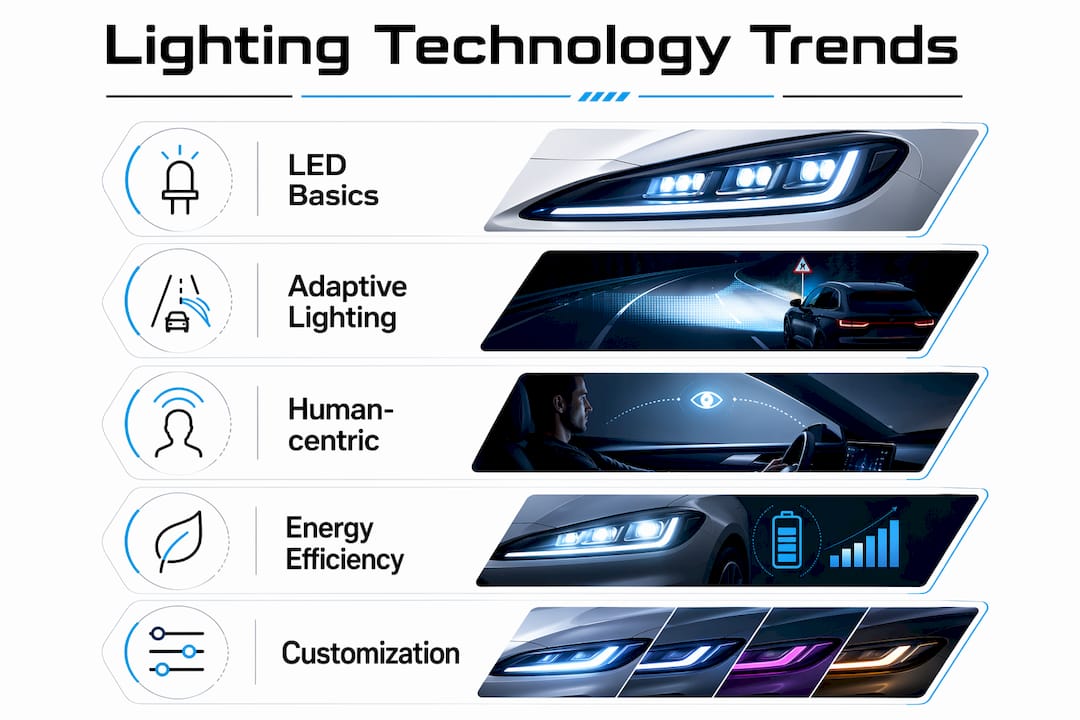
Human-centric lighting concepts, originally developed for architectural interiors, are now influencing automotive cabin design. Lighting influences emotional responses and directly affects driver alertness and passenger comfort. Warm tones around 1,800 Kelvin, a trend gaining traction in 2026, create a calm, premium cabin atmosphere. Cooler tones above 5,000 Kelvin support alertness on long drives.
Energy efficiency is a practical concern for enthusiasts running multiple lighting zones. LED systems draw significantly less current than older technologies, which matters when you are powering wheel rings, interior strips, and exterior accents simultaneously. Proper wire harness design, with correctly rated fuses and clean connections, keeps the electrical load manageable and the system reliable.
Key Takeaways
Original lighting design shapes vehicle aesthetics, safety, and customization simultaneously, and enthusiasts who plan all three together achieve the most cohesive and effective results.
| Point | Details |
|---|---|
| Aesthetics start with hierarchy | Use accent lighting to direct the eye to body lines, wheel arches, and key design features. |
| Safety is non-negotiable | All custom lighting must comply with FMVSS standards for color, brightness, and placement. |
| Layering creates depth | Combine wheel rings, LED strips, and interior ambient sources for a designed, not assembled, look. |
| Plan lighting early | Integrating lighting decisions at the start of a build prevents costly mismatches later. |
| Technology supports both goals | LED and adaptive systems deliver safety performance and aesthetic flexibility in one package. |
Why I think most enthusiasts underestimate lighting design
Most vehicle owners treat lighting as the last item on the build list. They spend months on paint, wheels, and suspension, then grab whatever LED kit ships fastest when the build is nearly done. The result is a vehicle that looks great in photos from the front and confusing from every other angle.
The builds that genuinely stop people at shows share one characteristic: the lighting was planned alongside everything else. The wheel color matches the accent strips. The interior glow complements the exterior. The shadows fall where they should. That level of cohesion does not happen by accident, and it does not happen when lighting is an afterthought.
Lighting best practices for custom builds consistently point to one principle: define your lighting zones before you buy a single component. Know what you want each zone to do, what color temperature fits the overall aesthetic, and how the wiring will be routed cleanly. That planning session saves more money than any discount code.
The technology available in 2026 makes original lighting design more achievable for everyday enthusiasts than it has ever been. Smart controllers, flexible LED strips, and purpose-built wire harnesses mean you do not need a custom fabrication shop to get professional results. You need a clear plan and quality components. The lighting layering technique is something any enthusiast can learn and apply. The gap between a good build and a great one is almost always in the details, and lighting is the detail that shows up in every photo, every drive, and every parking lot.
— Christopher
Wheellightexpress has the components your build needs
Wheellightexpress designs all of its lighting products in Louisiana, and every component is built for automotive enthusiasts who want original results, not generic imports. The product line covers the full range of what a serious build requires.
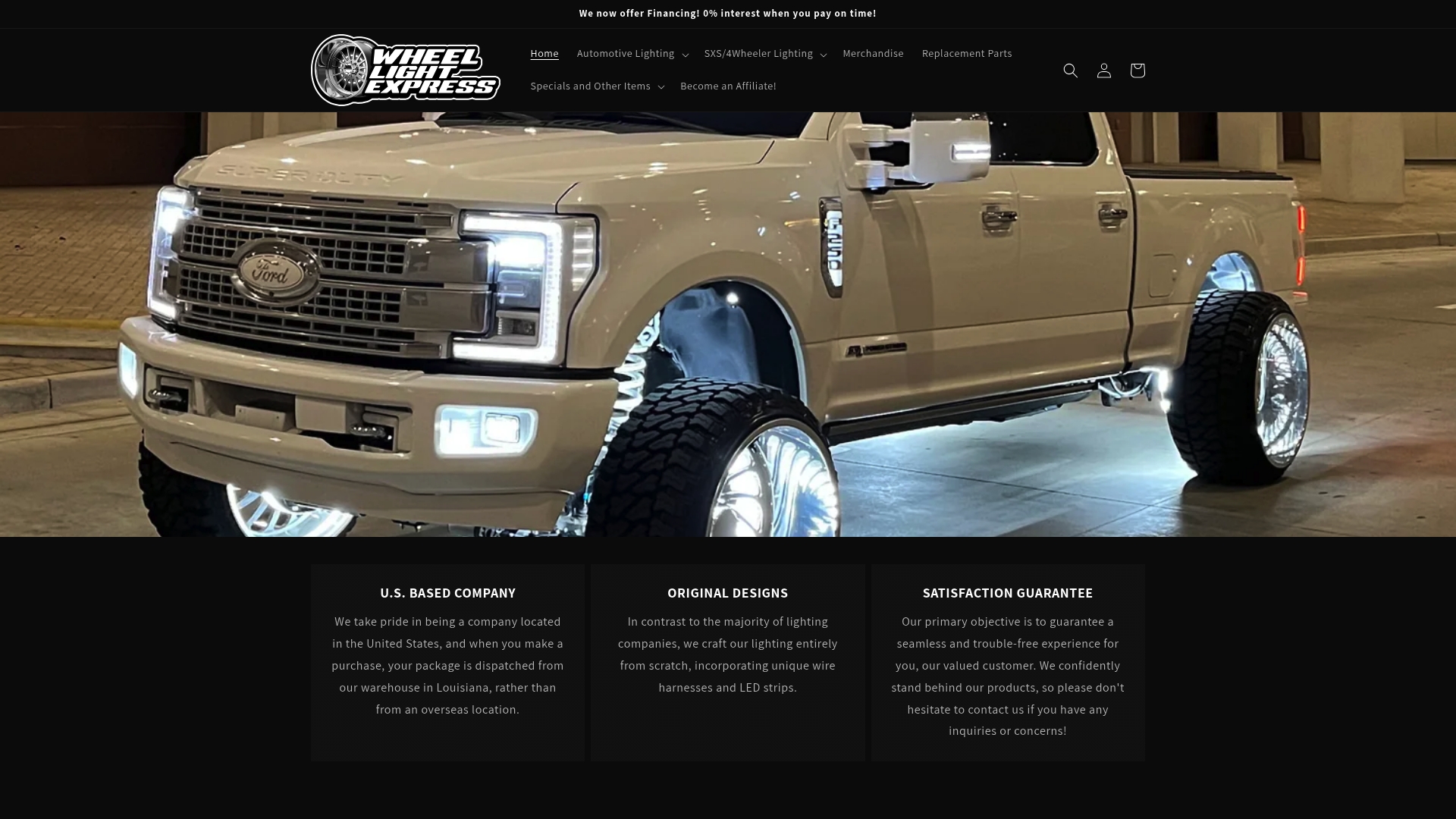
The wheel light rings and strips are the flagship product, delivering a clean, consistent glow from inside the wheel. Purpose-built wire harnesses keep your wiring organized, properly fused, and safe. Remote controls let you adjust color and brightness without touching the vehicle’s wiring after installation. Wheellightexpress backs every product with a satisfaction guarantee, and financing options make it possible to build the lighting setup you want without waiting. Browse the full catalog at Wheellightexpress and find the components that fit your build.
FAQ
What is original lighting design in automotive terms?
Original lighting design refers to a purpose-built approach to vehicle lighting that integrates aesthetics, safety, and customization into a cohesive system. It differs from generic aftermarket lighting by prioritizing intentional placement, consistent color temperature, and compatibility with the vehicle’s overall design.
How does lighting design affect vehicle safety?
Proper lighting design directly affects how visible your vehicle is to other drivers and how well you can see the road. Correct beam patterns, brightness levels, and regulatory-compliant colors are the core safety requirements governed by Federal Motor Vehicle Safety Standards in the United States.
What are the best lighting elements to customize first?
Wheel light rings and LED accent strips deliver the most visible aesthetic impact for the investment. Starting with these two elements and connecting them through a quality wire harness gives you a strong foundation before adding interior ambient or additional exterior zones.
Does color temperature matter for automotive lighting?
Color temperature determines both the look and the function of your lighting. Warmer tones around 1,800–3,000 Kelvin create a premium, welcoming feel for interiors. Cooler tones above 5,000 Kelvin improve contrast and alertness for driving applications. Mixing temperatures across zones without a plan creates visual inconsistency.
How early should I plan lighting in a vehicle build?
Lighting design should be integrated from the start of any build or restoration project. Early planning prevents fixture placement conflicts, wiring routing problems, and the mismatched aesthetic that results from adding lighting as a final step.