

Frame-mounted lighting is defined as a lighting system that attaches directly to a vehicle’s structural frame or accessory frame to deliver focused, controlled illumination. Unlike standard floodlights or body-mounted fixtures, frame-mounted light fixtures use precision optics and adjustable shutters to shape the beam exactly where you need it, with over 90% reduction in spill light compared to conventional setups. That level of control is why vehicle owners and automotive enthusiasts are adopting this approach for both show builds and everyday driving. Wheellightexpress designs frame-mounted lighting solutions specifically for the automotive market, with all products developed in Louisiana for quality you can count on.
What is frame-mounted lighting and how does it work?
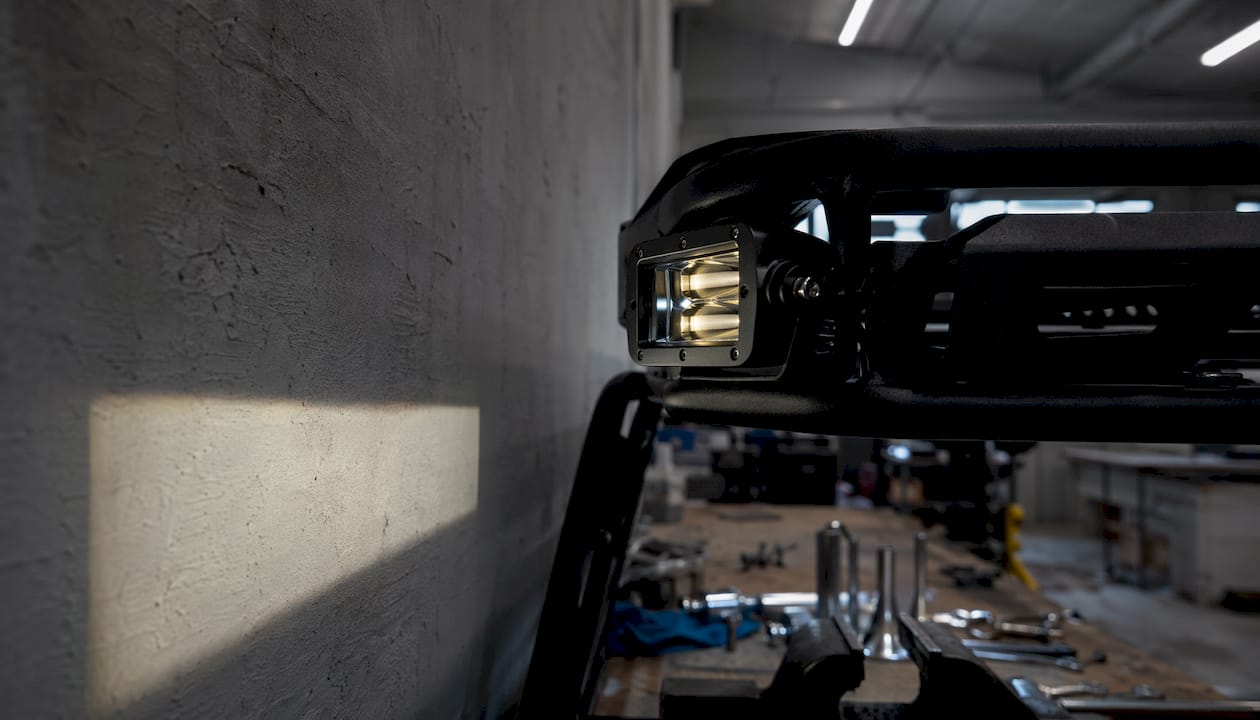
Frame-mounted lighting relies on LED framing projectors, which are fixtures built around multi-lens optical assemblies and internal blade systems called shutters. The shutters physically block unwanted light, creating a sharp, clean edge on the illuminated area. This is the core difference between a framing projector and a standard spotlight. A spotlight scatters light in a cone. A framing projector cuts the beam to a defined shape.
Modern framing systems offer beam angles from 25° to 60° with adjustable zoom lenses and locking shutter mechanisms. Some professional units also support 12VDC PWM or DMX dimming control, giving you precise brightness management without additional hardware. That flexibility matters when you are building a vehicle for show or adding accent lighting to a truck or motorcycle.
“Framing lights are not just spotlights. They are highly controlled beam instruments that use internal blades to define exactly where light falls and where it stops.”
The optical precision in these systems produces rectangular or custom-shaped illumination with high cut-off edges. That means you can light a wheel arch, a body panel, or an undercarriage section without washing out the surrounding area. Reduced glare and minimal spill also protect other drivers on the road, which matters for street-legal builds.
LED technology drives the energy efficiency side of the equation. Frame-mounted LED fixtures consume up to 75% less energy than halogen equivalents and carry lifespans that regularly exceed 50,000 hours. For a vehicle owner, that translates to fewer replacements and lower long-term costs.
What are the key benefits of frame-mounted lighting on vehicles?
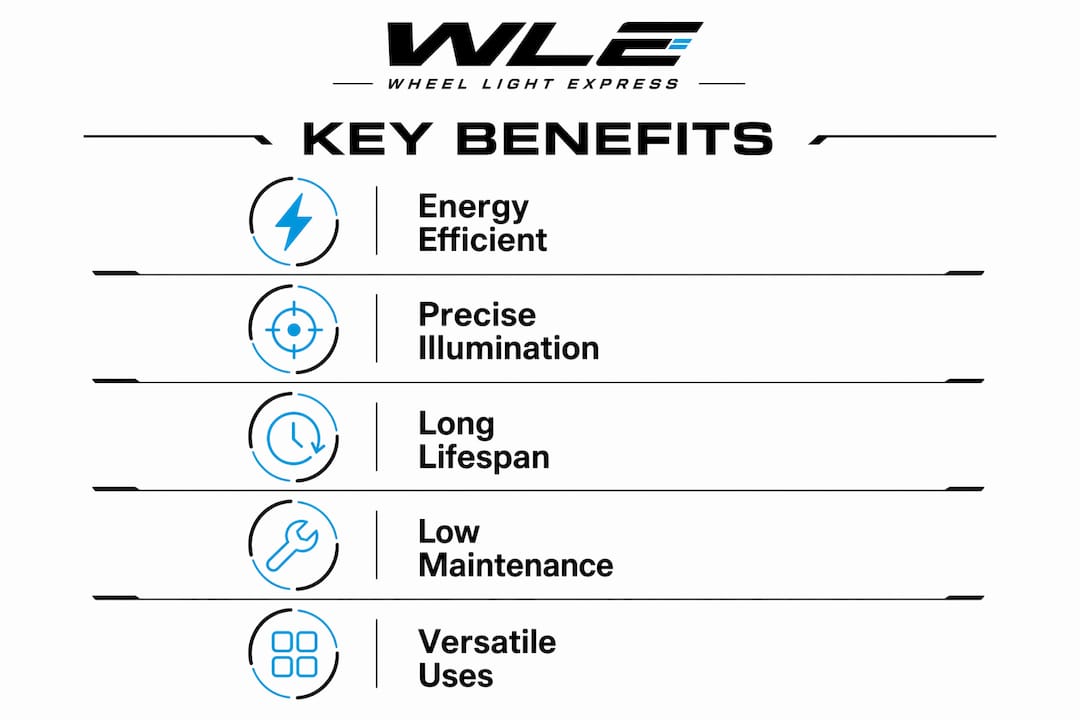
The benefits of frame-mounted lighting go well beyond looks. Precision, efficiency, and durability combine to make this one of the most practical upgrades you can add to a vehicle.
- Precise illumination control. Adjustable shutters let you define the exact area you want lit. You can highlight a wheel, a grille, or a side panel without spilling light onto the pavement or into oncoming traffic.
- Enhanced vehicle aesthetics. Frame-mounted light fixtures create intentional visual focus. Lighting designers call this spatial editing, where contrast and defined light zones make the vehicle look more composed and intentional.
- Energy efficiency. LED-based framing systems draw significantly less power than halogen or incandescent alternatives, reducing the load on your vehicle’s electrical system.
- Long service life. LEDs typically last 50,000+ hours, which means the initial investment pays off over time through reduced replacement and labor costs.
- Easier frame-based installation. Attaching fixtures to a frame rather than drilling into body panels preserves the vehicle’s finish and makes repositioning simpler.
- Cleaner wiring. Frame channels provide natural routing paths for wire harnesses, keeping cables hidden and the overall look professional.
Pro Tip: When selecting a frame-mounted lighting solution for your vehicle, choose fixtures with locking shutters. Vehicles vibrate constantly, and unlocked shutters will drift over time, ruining your carefully set beam pattern.
Maintenance savings are a real factor here. Long lifespan and maintenance savings often outweigh the higher upfront cost of quality LED framing fixtures. For enthusiasts who build vehicles for shows or competitions, that reliability removes one more variable from the equation.
How to install and maintain frame-mounted lights on vehicles
Installation starts with choosing the right mounting method for your build. The three most common options are screw-mount yoke brackets, recessed canopy mounts, and track-based systems. Yoke brackets work well for exposed frame rails on trucks and off-road builds. Recessed canopy mounts suit cleaner show car applications where you want the fixture to sit flush. Track systems offer the most flexibility because you can reposition fixtures without drilling new holes.
Before you connect any wiring, follow one non-negotiable rule: avoid hot-plugging low-voltage LED fixtures. Connecting a powered fixture to a live circuit causes electrical surges that can destroy the internal driver immediately. Always power down the circuit before connecting or disconnecting any frame-mounted light.
- Mount the bracket first. Secure the yoke or canopy to the frame rail before attaching the fixture. Check alignment before tightening fully.
- Set beam angle and focus. Adjust the zoom lens and shutter positions with the fixture powered on. Take your time here.
- Lock all adjustments. Locking shutters and focus mechanisms after adjustment prevents drift from vibration and heat expansion. This step is critical in automotive environments.
- Route and conceal wiring. Run wire harnesses through frame channels or conduit. Proper cable management preserves the clean visual effect and prevents wire clutter from distracting from the lighting itself.
- Connect to power last. Attach the harness to your power source only after all other connections are secure and the circuit is off.
Pro Tip: Use zip ties rated for automotive temperatures when securing harnesses inside frame channels. Standard zip ties can become brittle and snap in extreme heat or cold, leaving wires loose against moving parts.
For ongoing maintenance, inspect shutter positions after any off-road use or long highway run. Vibration is the enemy of a well-set framing light. A quick visual check every few months keeps your beam pattern exactly where you set it. If you need professional support for wiring or electrical work, automotive lighting repair services can help diagnose and fix connection issues before they become bigger problems.
What are common applications and design considerations for frame-mounted lighting?
Frame-mounted lighting works across nearly every vehicle category. Show cars use it to highlight body lines and wheel arches with surgical precision. Trucks and off-road builds use it for functional underbody or approach lighting. Motorcycles benefit from compact framing projectors that can be as small as 5 inches long, fitting into tight frame spaces without adding bulk.
The design considerations change depending on your goal. For show applications, color temperature matters most. A cooler white (5,000K–6,500K) reads as modern and aggressive. A warmer tone (3,000K–4,000K) suits classic builds where you want a softer, vintage-influenced glow. For safety and visibility applications, output and beam angle take priority over color temperature.
| Application | Lighting effect | Best installation type |
|---|---|---|
| Show car body panel accent | Narrow beam, high contrast | Recessed canopy mount |
| Truck undercarriage | Wide flood, high output | Screw-mount yoke bracket |
| Motorcycle frame accent | Compact strip or micro projector | Track or adhesive frame mount |
| Off-road approach lighting | Wide beam, weather-resistant | Yoke bracket with sealed housing |
| Wheel arch highlight | Custom-shaped beam, color option | LED strip with frame channel routing |
Layering is a technique that separates average builds from standout ones. You combine frame-mounted accent lights with wheel lighting and underbody strips to create depth. Each layer serves a different visual purpose. The frame lights define the vehicle’s silhouette. The wheel lights draw the eye to the rolling stock. The underbody strips add ground presence. For a deeper look at how these layers work together, the lighting layering technique guide from Wheellightexpress covers the full approach.
Compatibility with your vehicle’s electrical system is a practical constraint you cannot ignore. Most frame-mounted LED fixtures run on 12VDC, which matches standard automotive systems. Always confirm the total draw of your lighting setup against your alternator’s output capacity before adding fixtures. For custom builds, the custom lighting integration guide from Wheellightexpress walks through how to plan your electrical load correctly.
Key Takeaways
Frame-mounted lighting delivers precise, energy-efficient illumination by attaching directly to a vehicle’s frame and using adjustable shutters and multi-lens optics to control exactly where light falls.
| Point | Details |
|---|---|
| Core definition | Frame-mounted lighting attaches to the vehicle frame and uses shutters to shape the beam precisely. |
| Energy and lifespan | LED framing fixtures use up to 75% less energy and last over 50,000 hours. |
| Installation priority | Always power down before connecting fixtures to avoid damaging the internal LED driver. |
| Lock adjustments | Locking shutters and focus after setup prevents beam drift from vehicle vibration. |
| Cable management | Routing wire harnesses through frame channels keeps the build clean and professional. |
Why precision lighting changes everything for vehicle builds
I have seen a lot of vehicle lighting setups over the years, and the single biggest mistake enthusiasts make is treating lighting as an afterthought. They pick a strip, stick it somewhere, and call it done. The result looks like a car with lights on it, not a vehicle that was designed with lighting in mind.
Frame-mounted lighting forces you to think differently. When you are working with adjustable shutters and defined beam edges, you have to decide exactly what you want to illuminate and why. That intentionality shows in the finished build. The vehicles that win at shows are almost always the ones where the lighting was planned from the start, not added at the end.
The other thing I keep coming back to is the long-term value argument. Enthusiasts often balk at the upfront cost of quality LED framing fixtures. But when you factor in the lifespan and the near-zero maintenance, the math works out clearly in favor of investing properly the first time. Cheap fixtures drift, fail, and need replacing. Quality ones stay exactly where you set them.
The future of vehicle lighting is moving toward more precise, programmable systems. DMX control and PWM dimming are already available in professional framing projectors. As those technologies become more accessible, the gap between a well-lit show car and a mediocre one will only grow wider. Getting familiar with frame-mounted systems now puts you ahead of that curve.
— Christopher
Wheellightexpress lighting solutions for your next build
Vehicle owners who want to add frame-mounted lighting to their builds need two things: quality fixtures and reliable wiring. Wheellightexpress designs both in Louisiana, with original designs built specifically for automotive applications.
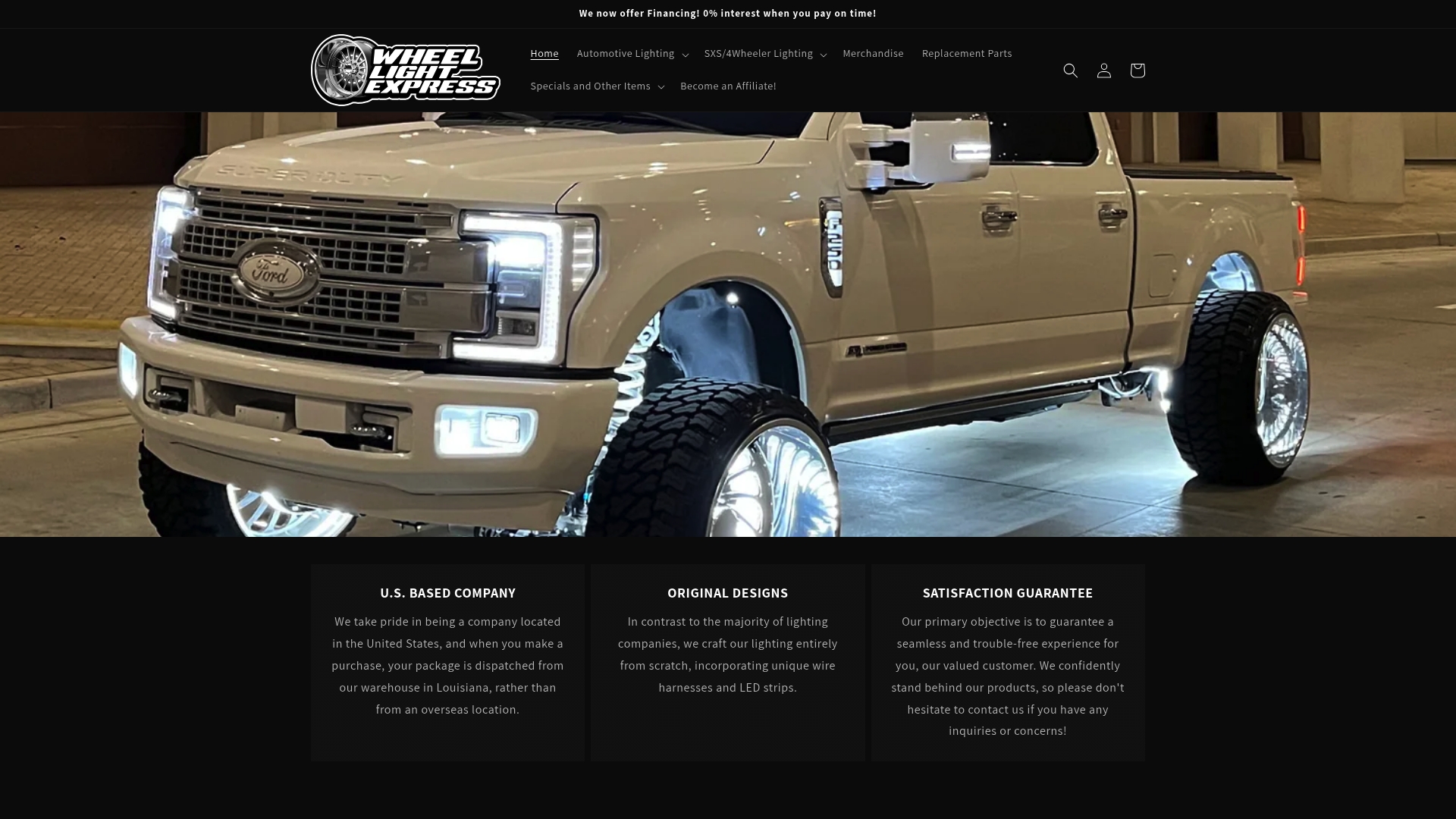
The Wheel Light Ring and Strip product line pairs well with frame-mounted setups, adding wheel-level illumination that complements the precision of framing lights. For wiring, the wire harness leads from Wheellightexpress are designed to route cleanly through frame channels, keeping your build looking intentional from every angle. Financing options are available, so you can build the setup you actually want without waiting. Every product comes backed by a satisfaction guarantee.
FAQ
What is frame-mounted lighting in simple terms?
Frame-mounted lighting is a system where light fixtures attach directly to a vehicle’s frame and use internal shutters to shape the beam precisely, with minimal spill onto surrounding areas.
How long do frame-mounted LED fixtures last?
LED framing fixtures typically last over 50,000 hours, which means years of use before any replacement is needed.
Can I install frame-mounted lights on any vehicle?
Frame-mounted lighting works on cars, trucks, motorcycles, and specialty vehicles. Compact micro projectors as small as 5 inches fit even tight frame spaces.
Why do I need to lock the shutters after installation?
Vibration and heat expansion cause shutter drift over time. Locking the shutters and focus mechanism after adjustment keeps your beam pattern stable through normal driving conditions.
What is the difference between a framing projector and a standard spotlight?
A standard spotlight scatters light in a broad cone. A framing projector uses internal blades to cut the beam to a defined shape, producing sharp edges and far less spill light.
Recommended
- Lighting Layering Technique for Vehicles: A 2026 Guide – Wheel Light Express
- The Role of Original Lighting Design in Vehicles – Wheel Light Express
- What Is a Lighting Controller for Vehicle LED Systems? – Wheel Light Express
- Remote Control Lighting Trucks: What You Need to Know – Wheel Light Express