

Wire wheel lights without battery drain are LED or induction-based lighting systems that illuminate your wheels without pulling continuous current from your vehicle’s 12V battery. The two main approaches are self-powered LED hub caps that generate electricity from wheel rotation, and wired LED kits protected by relays and inline fuses that cut power when the ignition is off. Both methods deliver vibrant, head-turning illumination without the dead-battery surprise the next morning. Wheellightexpress designs its wire harnesses and LED strips specifically for automotive enthusiasts who want striking visual results and reliable electrical safety.
What are the main types of wire wheel lights that prevent battery drain?
Self-powered LED hub caps are the cleanest solution for battery-free wheel illumination. These systems generate electricity from wheel rotation, typically activating at speeds over 30 km/h (18.6 mph). No wiring runs to your battery at all. The lights come on when you drive and go dark when you stop.
Induction-based systems take that concept further. The Wega-Quattro by Magniclight uses N52 neodymium magnets to induce eddy currents in aluminum rims, transferring energy without any physical contact. The result is waterproof, contactless LED lighting that requires zero battery connection. This is the most technically advanced option available for enthusiasts who want zero electrical complexity.
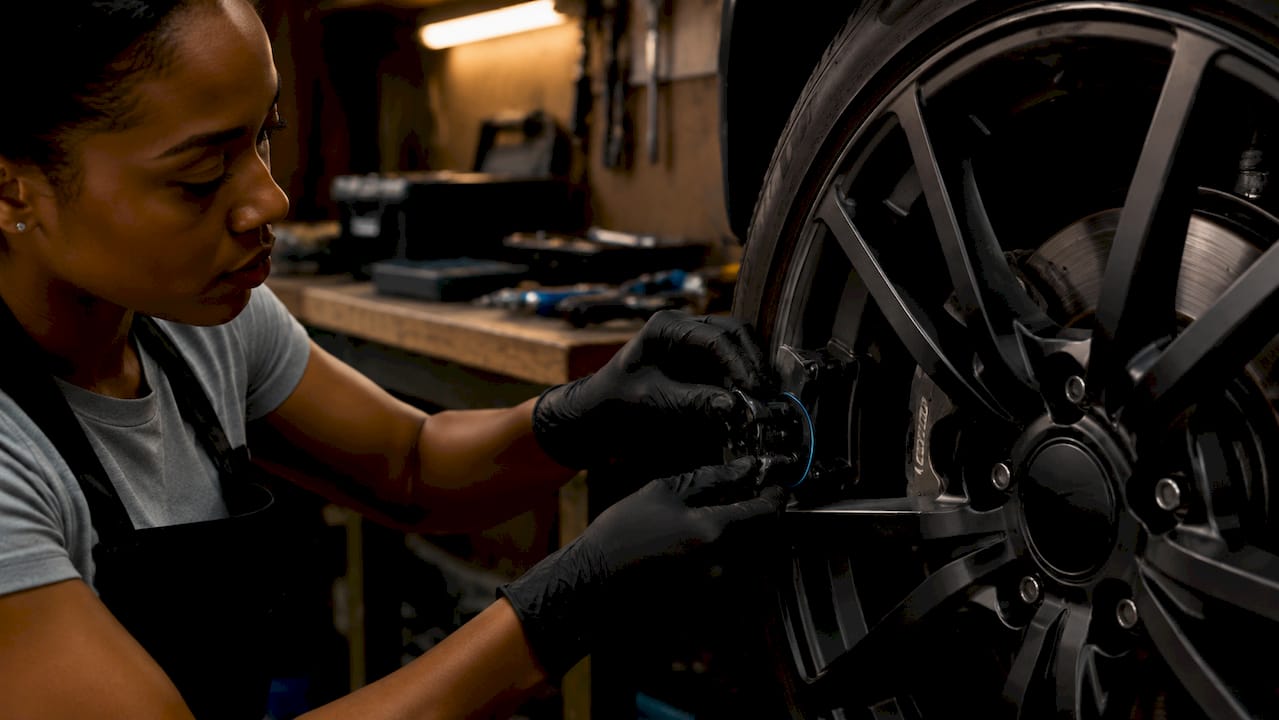
Wired LED wheel ring kits are the more common choice for custom builds. These connect to your vehicle’s electrical system but use relays, inline fuses, and ignition-switched power sources to prevent any draw when the engine is off. Bluetooth or app-controlled LED kits add another layer of control, letting you switch the lights on and off from your phone without rewiring anything.
Induction vs. wired LED: which is right for you?
| Feature | Induction LED hub caps | Wired LED ring kits |
|---|---|---|
| Battery connection required | None | Yes, with relay protection |
| Activation method | Wheel rotation speed | Ignition switch or app |
| Installation complexity | Low | Moderate |
| Color and pattern options | Limited | Full RGB, app-controlled |
| Best for | Low-maintenance builds | Custom show cars |
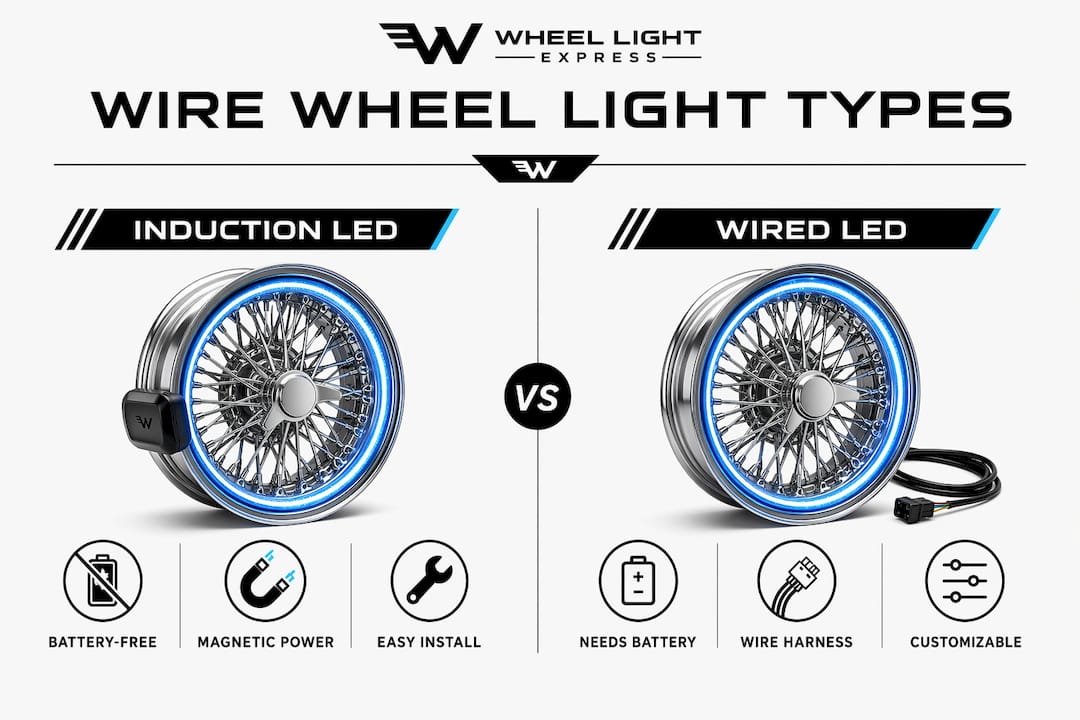
Pro Tip: If you want zero electrical risk and a clean engine bay, go with a self-powered induction hub cap. If you want full RGB color control and app integration, a properly wired LED ring kit is the better fit.
Which tools and prerequisites do you need before installing wheel lights?
Preparation prevents the two most common failures: electrical shorts and wrong-size rings that cause friction. Start by measuring your wheel and rotor diameters. The correct sizing formula is: (Wheel Diameter minus Rotor Diameter) ÷ 2 + Rotor Diameter. Selecting the correct ring size prevents friction damage that causes rapid battery discharge from electrical shorts. Wheellightexpress publishes a wheel light sizing guide that walks you through this calculation for common vehicle types.
Gather these tools before you start:
- Tape measure or digital calipers for wheel and rotor measurements
- Wrench set for wheel removal
- Fuse taps and inline fuse holders (5A or 10A depending on your kit)
- Toggle switch or relay kit for ignition-switched wiring
- Wire strippers, crimping tool, and heat-shrink tubing
- Multimeter for testing current draw after installation
Safety preparation is non-negotiable. Disconnect the negative battery terminal before touching any wiring. This is the single most critical step when working on 12V automotive electrical systems. It eliminates the risk of sparks, shorts, and component damage while you route wires.
Pro Tip: Write down your wheel and rotor measurements before ordering any kit. A ring that is even 5mm too large will rub against the rotor at speed, causing friction, heat, and an eventual short circuit.
| Measurement | Where to find it |
|---|---|
| Wheel diameter | Tire sidewall (e.g., 17 in a 225/45R17) |
| Rotor diameter | Vehicle service manual or caliper measurement |
| Ring size needed | Apply the sizing formula above |
How to install wire wheel lights without causing battery drain
Correct wiring is what separates a clean build from a dead battery. Follow these steps in order.
- Disconnect the negative battery terminal. Work safely from the start. No exceptions.
- Route your wire harness from the battery area to each wheel well. Keep wires away from exhaust components and moving suspension parts. Use zip ties every 6–8 inches to secure the run. Wheellightexpress wire harness leads are pre-measured for common vehicle configurations.
- Install an inline fuse holder within 18 inches of the positive battery terminal. Relays handle higher current loads, switches provide easy control, and fuses act as fail-safes in fault conditions. Never skip the fuse.
- Wire the relay coil to an ignition-switched fuse in your fuse box. This means the relay only closes when the key is on. The lights draw zero current when the vehicle is parked. Use a fuse tap to pull power from an existing ignition-switched circuit.
- Connect the relay output to your LED ring lights through the wire harness. Use the correct wire gauge for your kit’s amperage rating. Undersized wire overheats and melts insulation.
- Mount the LED ring or hub cap to the wheel. For ring kits, use the self-tapping screws and fuses recommended for your specific ring size. For induction hub caps, the magnets handle retention without mechanical fasteners.
- Add a toggle switch or pair with a Bluetooth remote. App-controlled LED kits let you manage power from your phone, which eliminates the need for a physical switch in the cabin.
- Reconnect the battery and test with the engine running. Verify all four wheels illuminate evenly. Check that the lights go off completely when you turn the ignition off.
- Test for parasitic draw with a multimeter. Set the meter to DC amps, place it in series between the negative battery cable and terminal, and confirm the reading drops to near zero with the ignition off.
Pro Tip: Conceal wire runs inside existing factory grommets and along frame rails. A clean wire run protects against road debris and keeps your build looking factory-finished from underneath.
For induction hub cap systems, installation is simpler. Mount the magnet ring to the brake caliper bracket, snap the hub cap onto the wheel center, and you are done. No wiring at all. The system self-activates once the wheel reaches rotation speed.
What common mistakes cause battery drain with wheel lights?
The most frequent cause of battery drain is an incorrectly wired relay. Miswiring can cause the relay to stay on when it should be off, drawing constant power even with the lights not illuminated. This is a silent drain that kills a battery overnight without any visible sign.
Other common mistakes include:
- Using a constant power source instead of an ignition-switched circuit. Any wire connected to a battery-direct terminal stays live 24 hours a day.
- Skipping inline fuses. Without a fuse, a short circuit sends uncontrolled current through the wiring and into the battery.
- Wrong ring size causing friction. A ring that contacts the rotor creates heat and eventually an electrical short that discharges the battery rapidly.
- Using undersized wire gauge. Thin wire has higher resistance, generates heat, and degrades insulation over time.
Testing with a multimeter for current draw after installation is the definitive way to confirm your system is not draining the battery. A reading above 50 milliamps with the ignition off signals a wiring problem that needs immediate correction.
Troubleshooting starts at the relay. Unplug the relay and check whether the draw disappears. If it does, the relay coil circuit is wired to a constant power source. Move it to an ignition-switched fuse and retest. If the draw persists with the relay removed, trace each wire run for insulation damage or a grounded connection.
Key takeaways
Energy-efficient wheel lights require either a self-powered induction system or a properly relayed wired LED kit to prevent battery drain entirely.
| Point | Details |
|---|---|
| Self-powered systems eliminate drain | Induction hub caps generate power from rotation and need no battery connection. |
| Relays and fuses protect wired kits | Wire your LED rings to an ignition-switched circuit with an inline fuse near the battery. |
| Sizing accuracy prevents shorts | Use the (Wheel Diameter minus Rotor Diameter) ÷ 2 + Rotor Diameter formula before ordering. |
| Multimeter testing confirms safety | Check for parasitic draw after installation; anything above 50 milliamps signals a wiring fault. |
| App control simplifies power management | Bluetooth-enabled kits let you cut power remotely, removing the risk of lights left on accidentally. |
Why I always measure twice before I wire anything
After years of working with custom wheel lighting builds, the one lesson that sticks is this: the measurement step is where most people lose money and time. Enthusiasts rush to order a kit based on wheel diameter alone and skip the rotor measurement entirely. The ring arrives, it looks right, and then it rubs at 60 mph. That friction creates heat, damages the ring, and in the worst cases shorts the circuit and drains the battery in hours.
My preference for first-time builders is always a self-powered induction hub cap. These systems offer a low-maintenance way to get vibrant illumination without any electrical complexity or risk of battery drain. You skip the relay wiring, the fuse taps, and the multimeter testing entirely. The tradeoff is fewer color options, but for a daily driver that is a reasonable exchange.
For show builds where full RGB control matters, I go with a properly wired LED ring kit from Wheellightexpress. Their wire harnesses are designed in Louisiana and built for American vehicle configurations, which means less guesswork on fitment. The key is always wiring the relay coil to an ignition-switched source, not a battery-direct terminal. That one decision is the difference between a build that works and a build that leaves you stranded.
Test your system with a multimeter before you call the job done. It takes five minutes and removes all doubt. If the reading is clean, you have a build you can trust.
— Christopher
Get the right wheel lights and wiring accessories at Wheellightexpress
Wheellightexpress designs and ships LED wheel lighting solutions built for automotive enthusiasts who want vibrant results without electrical headaches. Every product is designed in Louisiana and backed by a satisfaction guarantee.
Browse the full aftermarket lighting collection for LED wheel ring kits, replacement strips, wire harnesses, remotes, fuses, and sizing guides all in one place. If you need Bluetooth power management, the remotes for remote harness page covers compatible controllers for every kit. Wheellightexpress also offers financing options, so you can get the full setup without paying everything upfront. Their team is ready to help you find the right fit for your vehicle.
FAQ
What are wire wheel lights without battery drain?
Wire wheel lights without battery drain are LED or induction lighting systems that either generate their own power from wheel rotation or connect to an ignition-switched circuit through a relay, so they draw zero current when the vehicle is off.
How do self-powered LED hub caps work?
Self-powered hub caps use wheel rotation to generate electricity, typically activating at speeds above 30 km/h (18.6 mph), with no connection to the vehicle battery required.
What is the correct way to wire LED wheel lights to avoid drain?
Connect the relay coil to an ignition-switched fuse in your fuse box and install an inline fuse within 18 inches of the positive battery terminal. This cuts all power to the lights the moment the ignition is off.
How do I know if my wheel lights are draining the battery?
Set a multimeter to DC amps, place it in series with the negative battery terminal, and check the reading with the ignition off. A reading above 50 milliamps indicates a parasitic draw that needs correction.
What size wheel light ring do I need?
Use the formula: (Wheel Diameter minus Rotor Diameter) ÷ 2 + Rotor Diameter. The Wheellightexpress sizing guide applies this formula to common vehicle types for a quick reference.