

High visibility custom LED options are specialized lighting solutions designed to deliver exceptional brightness, durability, and design flexibility for automotive enthusiasts who want to boost both safety and style. The industry standard brightness range for automotive use sits at 5,000–7,000 nits, which keeps LEDs readable under direct sunlight. SMD and DIP LED bead technologies form the foundation of these systems, and IP67-rated components protect them against water and dust on the road. Wheellightexpress designs all its LED lighting solutions in Louisiana, giving enthusiasts access to original, quality-built products without sourcing overseas.
1. What brightness levels and LED technologies deliver high visibility custom LED options?
Brightness is the single most important factor in daytime automotive visibility. SMD and DIP LED beads each serve different purposes. SMD (Surface Mounted Device) LEDs pack more diodes into a smaller area, producing a wide, even light spread ideal for strips and accent lighting. DIP (Dual In-line Package) LEDs are larger, more directional, and better suited for applications where you need a focused beam.
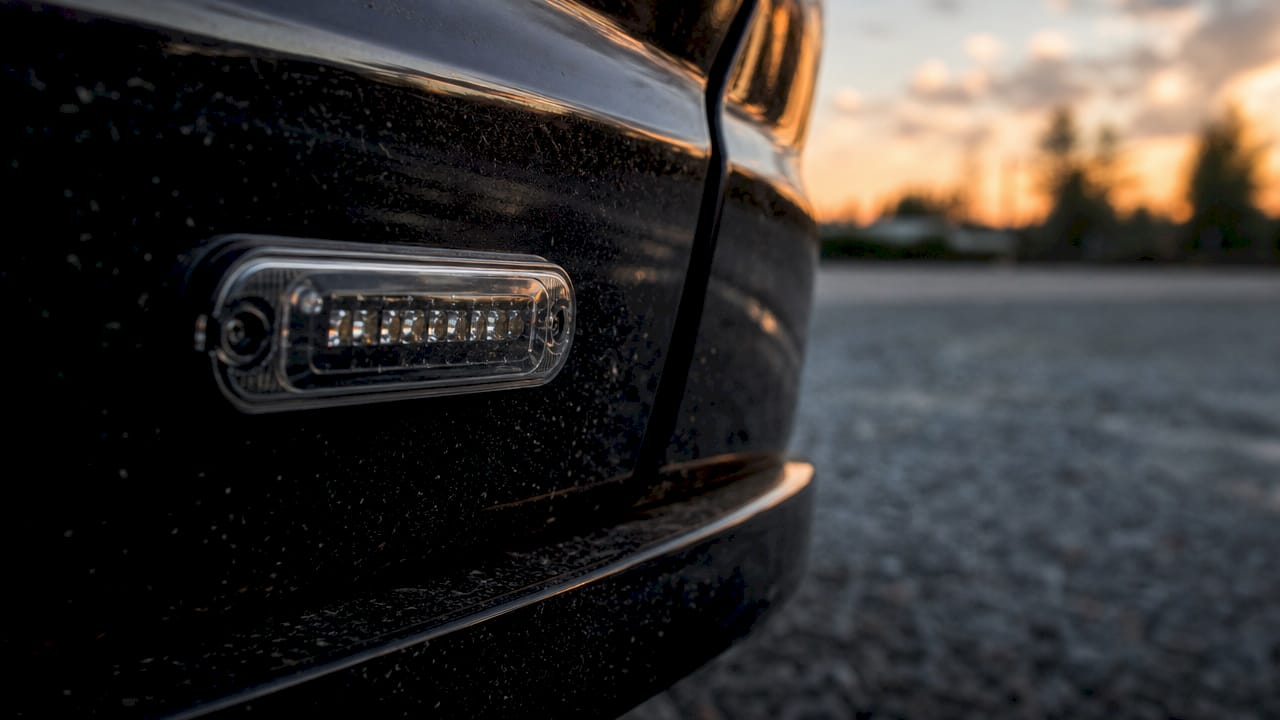
The recommended brightness range for automotive LED lighting is 5,000–7,000 nits. Anything below 3,000 nits washes out in direct sunlight and loses its visual impact. Anything above 8,000 nits risks glare that distracts other drivers, which creates a safety problem rather than solving one.
Pixel pitch also matters more than most enthusiasts realize. Tighter pixel pitch in the P1.2–P2.5 range is required for close-range applications like grille badges or interior accents. A large pixel pitch at close viewing distance produces a blocky, unprofessional look that undermines the custom aesthetic you are building.
- SMD LEDs: Best for strip lighting, underglow, and wide-area accent work
- DIP LEDs: Best for directional, high-intensity point sources like marker lights
- Pixel pitch P1.2–P2.5: Required for close-range display elements
- 5,000–7,000 nits: Target range for outdoor automotive visibility
- Below 3,000 nits: Insufficient for daytime visibility in direct sun
Pro Tip: Balance brightness with power draw. Running LEDs at 80% of their rated output extends their lifespan significantly and reduces heat buildup without a noticeable drop in visible brightness.
Check out this 2026 automotive LED guide for a full breakdown of LED types and their performance characteristics.
2. How to ensure durability and weather resistance with outdoor-rated LEDs
IP67 is the minimum acceptable rating for any LED component mounted on the exterior of a vehicle. The IP67 standard means the component is fully dust-tight and can withstand immersion in water up to one meter for 30 minutes. On a moving vehicle, that protection matters because road spray, rain, and debris hit exterior lighting constantly.
Automotive-grade LEDs require vibration resistance and advanced thermal management that standard decorative LEDs simply do not provide. Heat is the primary killer of LED lifespan. Without proper heat dissipation built into the housing, LEDs degrade faster and shift color over time.
Non-IP-rated LEDs used outdoors fail in predictable ways. Moisture enters the housing, corrodes the circuit board, and causes flickering or complete failure within one season. The cost of replacing cheap, unrated LEDs far exceeds the upfront investment in properly rated components.
- IP67 rating: Dust-tight, waterproof to one meter depth
- Vibration resistance: Required for road-mounted applications
- Thermal management: Aluminum heat sinks or thermally conductive housings extend lifespan
- Non-rated LEDs: Risk corrosion, flickering, and early failure from road exposure
- Proper installation: Sealed connectors and weatherproof wiring harnesses complete the protection
Pro Tip: Inspect all connector points and wire entry points during installation. A sealed LED module fails if the wiring connection is left exposed. Use self-amalgamating tape or heat-shrink tubing on every junction.
The IP67 protection standard does more than resist water. It blocks dust and road debris from entering the module, which is the more common cause of failure on daily-driven vehicles.
3. How custom shapes and flexible designs enhance vehicle integration
Modern LED manufacturing allows custom curved, arc, and freeform shapes that follow vehicle contours exactly. This is a significant shift from the rigid strip-and-bracket approach that dominated automotive LED customization five years ago. Today, a well-designed LED element can look factory-installed rather than aftermarket.
Achieving that factory look requires precision from the start. CAD-based design and engineering analysis are the foundation of any custom LED integration that fits correctly. Without accurate design files, manufacturing tolerances stack up and the final product gaps, flexes, or misaligns with the vehicle’s body lines.
The design process for custom LED shapes typically follows this sequence:
- Measure and document the target mounting area with precise dimensions
- Create or commission CAD files that reflect the vehicle’s exact geometry
- Select LED type and pitch based on viewing distance and brightness requirements
- Choose color and lighting modes including static, pulse, or color-cycling options
- Prototype and test fit before committing to full production runs
- Finalize wiring and harness routing to keep the installation clean and serviceable
Color customization adds another layer of personalization. RGB LED strips allow you to cycle through millions of color combinations, while single-color options in amber, red, or white deliver the strongest visibility for safety-focused applications. Lighting modes, including breathing, strobe, and solid, let you match the mood to the occasion.
Strategic placement amplifies the effect of any custom LED design. Eye-level placement at front grille or tail cluster positions increases visibility significantly. Placement drives effectiveness more than brightness alone, which means a well-positioned moderate-brightness LED outperforms a brighter LED mounted in a low-visibility location.
The power of automotive customization extends beyond aesthetics. Thoughtful LED integration adds a layer of road presence that makes your vehicle more recognizable and safer in low-light conditions.
4. Which color and contrast strategies maximize visibility and aesthetic impact?
Color choice determines whether your LED lighting reads as intentional design or visual noise. Amber, red, and bright white are the most visible LED colors in automotive applications. Amber cuts through fog and rain better than white. Red registers quickly in peripheral vision. Bright white delivers the highest raw luminance for accent and display work.
High-contrast color combinations are the foundational rule for LED visibility. Dark backgrounds with bright LEDs produce the sharpest visual separation. Light-on-light combinations, such as white LEDs against a silver or white vehicle panel, wash out the effect entirely.
Common mistakes in color selection include:
- Light-on-light mismatches: White or yellow LEDs against light-colored vehicle surfaces lose contrast
- No housing: Bare LED strips without a channel or housing look cheap and reduce perceived brightness
- Wrong color for function: Blue LEDs on non-emergency vehicles can create legal issues in some states
- Ignoring ambient light: Colors that look vivid at night may disappear in daylight without sufficient nit output
Matte black or dark housings increase perceived brightness and contrast. Housing LEDs in dark enclosures can increase perceived brightness and contrast by up to 50% compared to reflective or bright surfaces. That number is significant because it means your housing choice has as much impact as your LED selection.
Color-coded LED placement also serves a safety function. Amber on the sides, red at the rear, and white at the front aligns with standard automotive lighting conventions. Staying within those conventions keeps your build road-legal and immediately readable to other drivers.
Pro Tip: Test your color choices in both daylight and nighttime conditions before finalizing your build. A color that looks perfect in the garage at night may read completely differently under afternoon sun.
For more on placement and color strategy, the LED strip applications guide covers real-world examples across vehicle types.
Key Takeaways
The most effective high visibility custom LED options combine 5,000–7,000 nit brightness, IP67-rated durability, precise CAD-based design, and high-contrast color placement to deliver both safety and aesthetics on any vehicle.
| Point | Details |
|---|---|
| Brightness target | Aim for 5,000–7,000 nits to maintain visibility in direct sunlight. |
| IP67 protection | Use only IP67-rated LEDs for any exterior vehicle mounting to prevent early failure. |
| Pixel pitch selection | Choose P1.2–P2.5 pitch for close-range applications like grille badges or interior accents. |
| Contrast and housing | Mount LEDs in dark or matte housings to increase perceived brightness by up to 50%. |
| Strategic placement | Eye-level positions at grille or tail clusters maximize visibility beyond brightness alone. |
What I have learned after years of watching automotive LED builds succeed and fail
The builds that hold up and look great two years later share one trait: the builder treated the LED system as a permanent part of the vehicle, not an add-on. That means IP67 components, sealed connectors, and a wiring harness that routes cleanly through the body rather than zip-tied along the surface.
The builds that fail, and I have seen plenty, cut corners on exactly those three things. A $15 LED strip from a generic supplier looks fine on day one. By the following winter, moisture has entered the housing, the color has shifted, and half the strip has gone dark. The enthusiast ends up spending more to fix it than a quality build would have cost upfront.
The trend I find most exciting in 2026 is the move toward fully integrated, freeform LED shapes that follow body lines. This is not just an aesthetic upgrade. When LEDs sit flush with the vehicle’s surface and match its contours, they read as intentional design rather than modification. That distinction matters for show judging, for road presence, and for resale value.
My honest advice: spend your planning time on design files and placement before you spend a dollar on components. A mediocre LED in the right location outperforms a premium LED mounted where nobody can see it. Get the placement right first, then select the brightness and color to match.
— Christopher
Wheellightexpress has the components your build needs
Wheellightexpress designs and builds its LED lighting solutions in Louisiana, with a focus on original designs built for automotive enthusiasts who want quality without compromise. The product line covers wheel light rings and strips, wire harness leads, and replacement components that keep your system running long after installation.
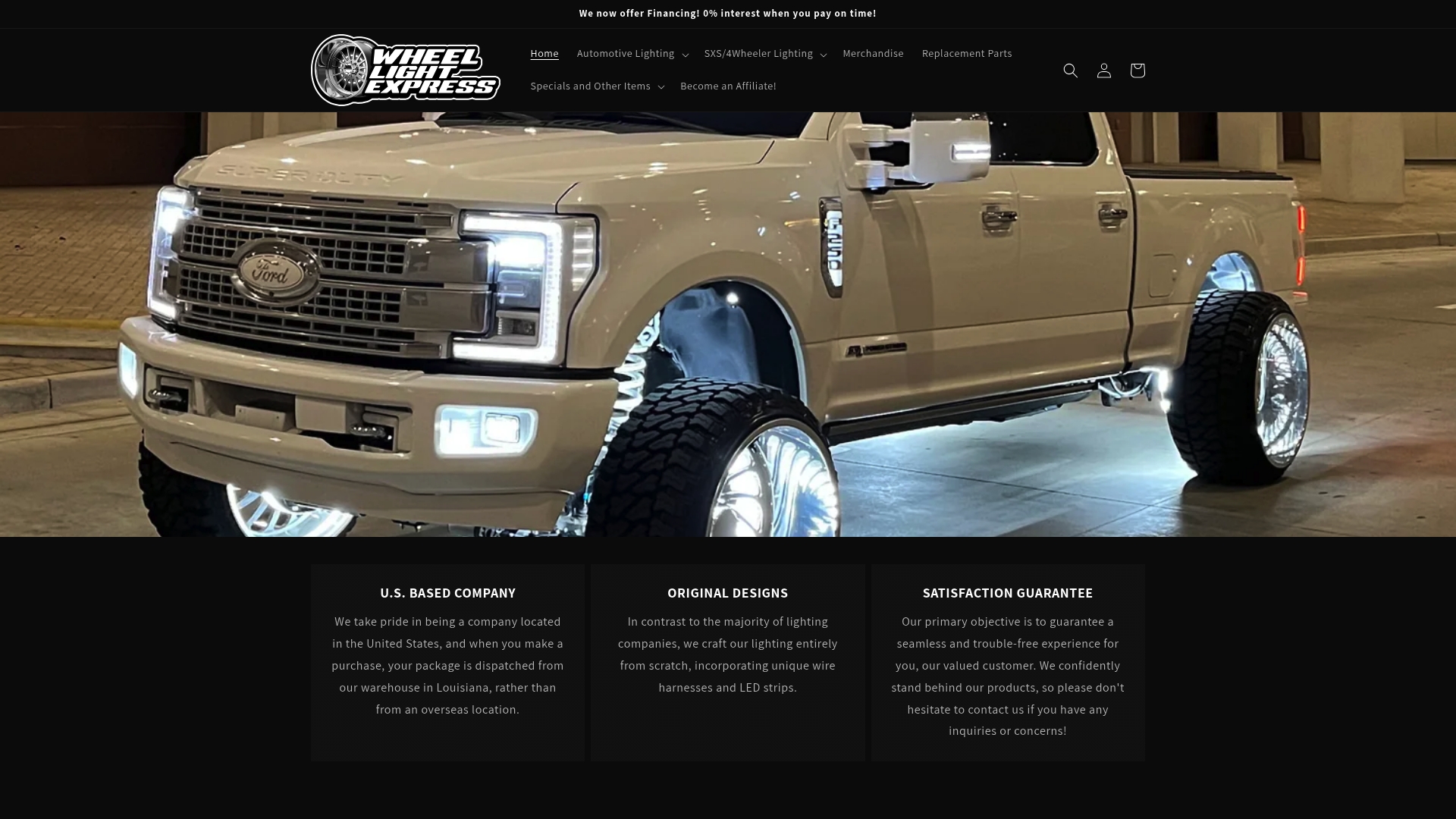
Every product ships with a satisfaction guarantee, and financing options make it possible to build the lighting setup you want without waiting. Whether you are planning a full custom integration or upgrading a single element, Wheellightexpress gives you the components and the confidence to do it right.
FAQ
What nit level do I need for daytime automotive LED visibility?
The recommended brightness for automotive LED lighting is 5,000–7,000 nits. Levels below 3,000 nits lose visibility in direct sunlight.
What does IP67 mean for vehicle LED lighting?
IP67 means the LED component is fully dust-tight and waterproof to one meter depth. This rating is the minimum standard for any LED mounted on a vehicle’s exterior.
What pixel pitch should I use for close-range LED displays on a vehicle?
Use a pixel pitch of P1.2–P2.5 for close-range applications like grille badges or interior accents. Larger pitch values produce a blocky appearance at short viewing distances.
Which LED colors are most visible on a vehicle?
Amber, red, and bright white deliver the strongest visibility in automotive applications. Amber performs best in fog and rain, while bright white provides the highest raw luminance for accent work.
Does housing color affect LED brightness?
Dark or matte black housings increase perceived brightness and contrast by up to 50% compared to reflective surfaces. The housing choice has as much impact on the final visual result as the LED selection itself.