

LEDs are defined as the primary lighting tool for modern car content creation, transforming vehicle aesthetics from simple illumination into dynamic visual storytelling. The role of LEDs in car content creation now spans brand identity, cinematic production, and in-car atmosphere design. Industry designers Ian Cartabiano and Naomi Saka describe automotive lighting as a “fourth material” in vehicle design, equal in importance to metal, glass, and fabric. That framing matters for creators: it means LED lighting is not an accessory. It is a core creative asset. Whether you shoot studio builds, street vlogs, or cinematic car films, understanding how LEDs work across both design and production is what separates average content from content that stops the scroll.
How does LED technology shape automotive visuals and brand identity?
LED lighting in vehicles now carries emotional weight that no other design element can match. Automotive lighting acts as both practical illumination and emotional theater, defining brand personality through subtle and dynamic light signatures. Lexus, for example, has built its entire spindle concept around a lighting-dominated front face that communicates luxury and intent before the engine even starts. That is not decoration. That is brand language.
“Lighting has evolved from a functional requirement to an integral part of vehicle design and brand storytelling, serving as an emotional signature that communicates vehicle intent and identity.” — Ian Cartabiano and Naomi Saka, Lexus Design
The impact of LEDs on automotive design goes beyond aesthetics. Stellantis designer Philipp Roeckl argues that simplicity in LED design improves safety and reinforces brand identity at the same time. A clear, readable light signature communicates with pedestrians and other drivers intuitively. That philosophy applies directly to content creation: busy, over-lit vehicles read as cluttered on camera, while clean light signatures photograph with authority.
For content creators, the practical takeaway is this:
- Study the vehicle’s factory light signature before adding any production lighting. The OEM design is a starting point, not an obstacle.
- Use LED accents to reinforce, not compete with, the car’s existing visual language. A sports car with aggressive factory DRLs benefits from complementary strip lighting, not contrasting colors.
- Consider how LEDs communicate in motion. Sequential turn signals and animated light bars read differently at 30 frames per second than they do standing still.
- Treat exterior LED signatures as part of your shot composition. A well-lit grille or wheel arch can anchor a wide shot the same way a practical light anchors a film frame.
The original lighting design of a vehicle tells a story. Your job as a creator is to continue that story, not overwrite it.
What are the technical applications of LEDs in car content production?
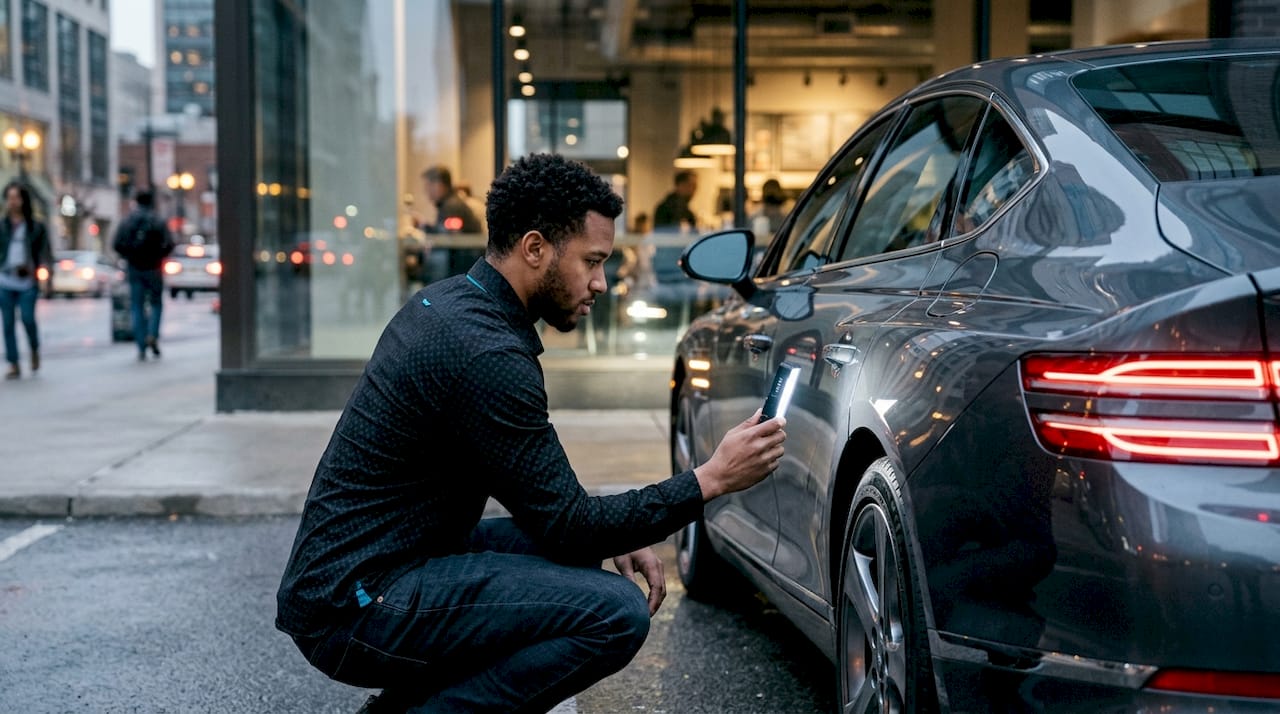
The most significant shift in professional car content production is the adoption of LED volumes. Virtual production car processing uses large curved LED walls around stationary vehicles to deliver real-time lighting and reflection interaction for interior and close-up shots. This technique replaces traditional process trailers entirely. It eliminates weather dependencies and gives the director full control over every light source hitting the car’s surface.
For creators working outside a full LED volume setup, the principles still apply at smaller scales. Here is how to build a practical LED production workflow:
- Map your light sources before mounting anything. Identify the vehicle’s ambient LEDs, the key light position, and any fill sources. Conflicts between these create color casts that are difficult to fix in post.
- Use automotive-rated 12V components for any in-car LED strips. Addressable RGBIC LED strips must use proper fusing, grounding, and electromagnetic interference suppression to avoid CAN-bus errors and ECU faults.
- Mount LEDs with a 2–3 cm ventilation gap between the strip and any plastic or adhesive surface to prevent heat damage.
- Choose controllers with onboard DSP and Bluetooth 5.x for low-latency music synchronization without cloud reliance. This matters for music-driven car content where audio and light need to stay locked.
- Test for ECU interference before shooting. Run the vehicle through a full electronics check after installation. A single CAN-bus fault can disable safety systems mid-shoot.
Pro Tip: Use modular quick-release mounts for in-car LED panels. Low-profile systems reduce vibration and mount creep during driving shots, and they make teardown fast between locations.
| LED Setup Type | Best Use Case | Key Requirement |
|---|---|---|
| LED volume wall | Studio interior and close-up shots | Curved screen, real-time image plates |
| RGBIC strip lighting | Ambient in-car atmosphere and music sync | Automotive-rated 12V, DSP controller |
| Bi-color LED panel | Vlog and talking-head shots inside the car | Matched color temperature to ambient |
| Magnetic LED puck | Quick fill for door-to-interior transitions | Strong magnet base, portable power |
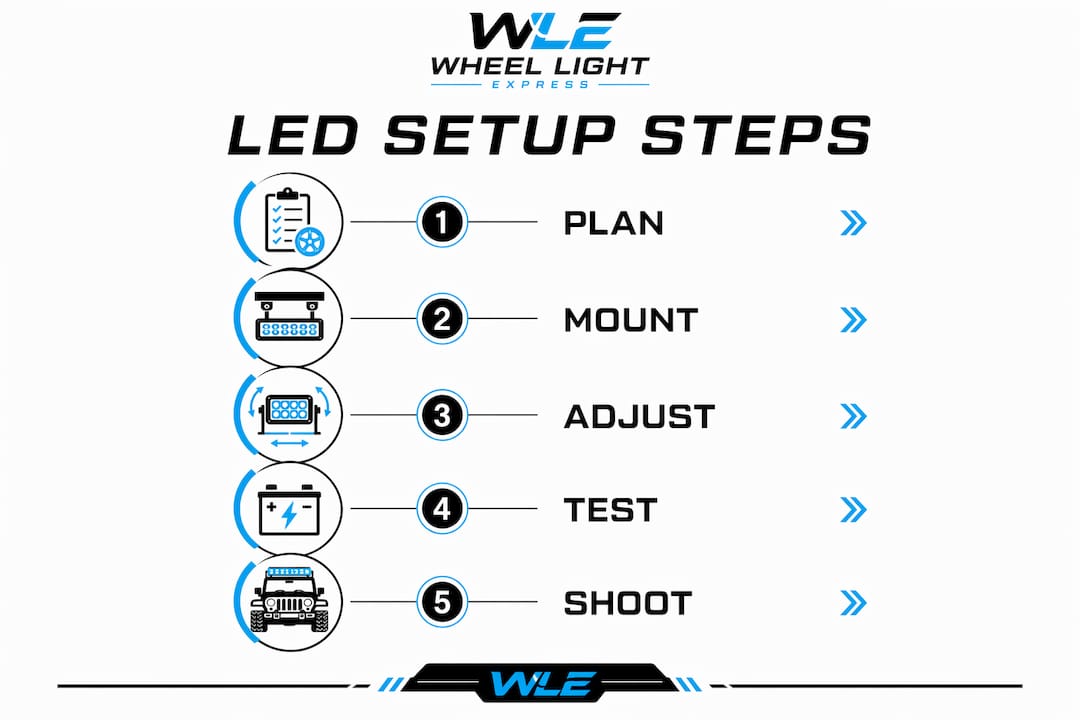
For creators building out their custom LED integration, the table above gives a clear framework for matching gear to the shot type.
How do LEDs enhance vehicle aesthetics for storytelling and photography?
The benefits of LED lights in cars extend well beyond illumination. The real creative challenge is managing what LEDs do to everything around them, including skin tones, reflective paint, and glass surfaces. Built-in vehicle LEDs can shift skin-tone balance for creators filming inside cars, and AI-aided visualization tools now help pre-visualize how internal lighting interacts with external gear before a single frame is shot. That pre-visualization step saves hours of on-set correction.
Practical strategies that work on real shoots:
- Match your bi-color panel to the vehicle’s ambient LED color temperature. Most modern interiors run between 3,000K and 4,500K. Mismatched panels create a two-tone look that reads as amateur.
- Use diffusion on any LED panel placed near glass. Hard LED sources reflect directly off windows and paint, creating hot spots that obscure detail.
- Build preset lighting profiles for recurring shoot scenarios. A profile for “night exterior,” “golden hour interior,” and “studio static” saves setup time and keeps your content visually consistent across a series.
- Normalize white balance across transitions. Successful car-to-home creators use matched exposure and white balance normalization to maintain continuity when moving from vehicle exterior to interior to doorstep.
- Use practical LEDs as motivated light sources. A glowing center console or illuminated door panel gives the viewer a reason for the light to exist, which reads as cinematic rather than staged.
Pro Tip: Shoot a quick test clip with the vehicle’s ambient LEDs at full brightness before adding any production lighting. This gives you a baseline for how much correction the camera needs, and it often reveals color casts you would not catch by eye.
The types of automotive LED lighting available in 2026 give creators more control than ever. The skill is knowing which type serves the shot, not which one looks most impressive in a spec sheet.
What are the best practices for custom LED installs in content vehicles?
Custom LED setups for content creation introduce real technical risks if installed without proper planning. Heat, vibration, and electrical interference are the three most common failure points. Addressing them before the shoot protects both the vehicle and the production.
- Heat management: Always maintain a 2–3 cm ventilation gap between LED strips and interior surfaces. Enclosed spaces trap heat fast, and adhesive-backed strips will peel or warp plastics if airflow is blocked.
- Vibration control: Use modular low-profile quick-release mounts rather than permanent adhesive alone. Vibration from driving loosens fixed mounts over time, causing “mount creep” that shifts your light position mid-shoot.
- Electrical safety: Fuse every LED circuit independently. Ground all components to the vehicle chassis, not to each other. Use a LED flasher relay rated for your specific LED load to prevent hyper-flash and relay burnout.
- ECU and BCM protection: Run electromagnetic interference suppression on any addressable LED controller. CAN-bus systems in modern vehicles are sensitive to unfiltered PWM signals from cheap controllers.
- Photobiological safety: Automotive LED lighting must comply with IEC 62471:2006, the photobiological safety standard that governs blue light hazard and retinal safety for occupants in close proximity to LEDs. This standard matters most for long vlog sessions where LEDs run continuously near the driver’s face.
- Component selection: Only use automotive-rated LED strips and controllers. Consumer-grade strips are not built for the voltage fluctuations, temperature swings, or vibration levels inside a moving vehicle.
Reviewing lighting best practices for custom builds before any install saves time and prevents damage that is expensive to reverse.
Key Takeaways
LEDs are the most versatile and technically demanding lighting tool available to car content creators, requiring equal mastery of installation safety, color science, and visual storytelling to use effectively.
| Point | Details |
|---|---|
| LEDs as a “fourth material” | Treat LED lighting as a core design element, not an add-on, to build stronger visual identity. |
| Virtual production advantage | LED volume walls give full lighting control and eliminate weather risk for studio car shoots. |
| Automotive-rated components only | Use 12V automotive-grade strips with proper fusing and EMI suppression to protect vehicle electronics. |
| Color consistency is critical | Match panel color temperature to ambient vehicle LEDs and normalize white balance across all transitions. |
| Safety standards apply | IEC 62471:2006 governs LED safety for in-car use; compliance protects both occupants and long shoot sessions. |
Why I think most creators underestimate LED lighting in car content
Most car content creators treat LED lighting as a finishing touch. They build the shot, set the camera, and then ask what lights to add. That order is backward. The best automotive content I have seen starts with the lighting concept and builds the shot around it.
The shift happening right now is that LEDs are becoming a storytelling medium in their own right. A sequential light animation on a wheel arch tells the viewer something about the car’s character before a single word of narration plays. That is not decoration. That is direction.
The creators who will define car content in the next few years are the ones who understand both the technical side, proper grounding, EMI suppression, heat management, and the artistic side, color temperature, motivated light, visual continuity. Neither half works without the other.
My advice: spend one shoot treating your LED setup as the primary creative decision, not the last one. You will be surprised how much the rest of the shot falls into place.
— Christopher
Wheellightexpress has the gear to back your next build
Car content creation demands lighting that performs under real conditions, not just in a product photo. Wheellightexpress designs all its LED solutions in Louisiana, specifically for automotive enthusiasts who need reliability and visual impact in equal measure.
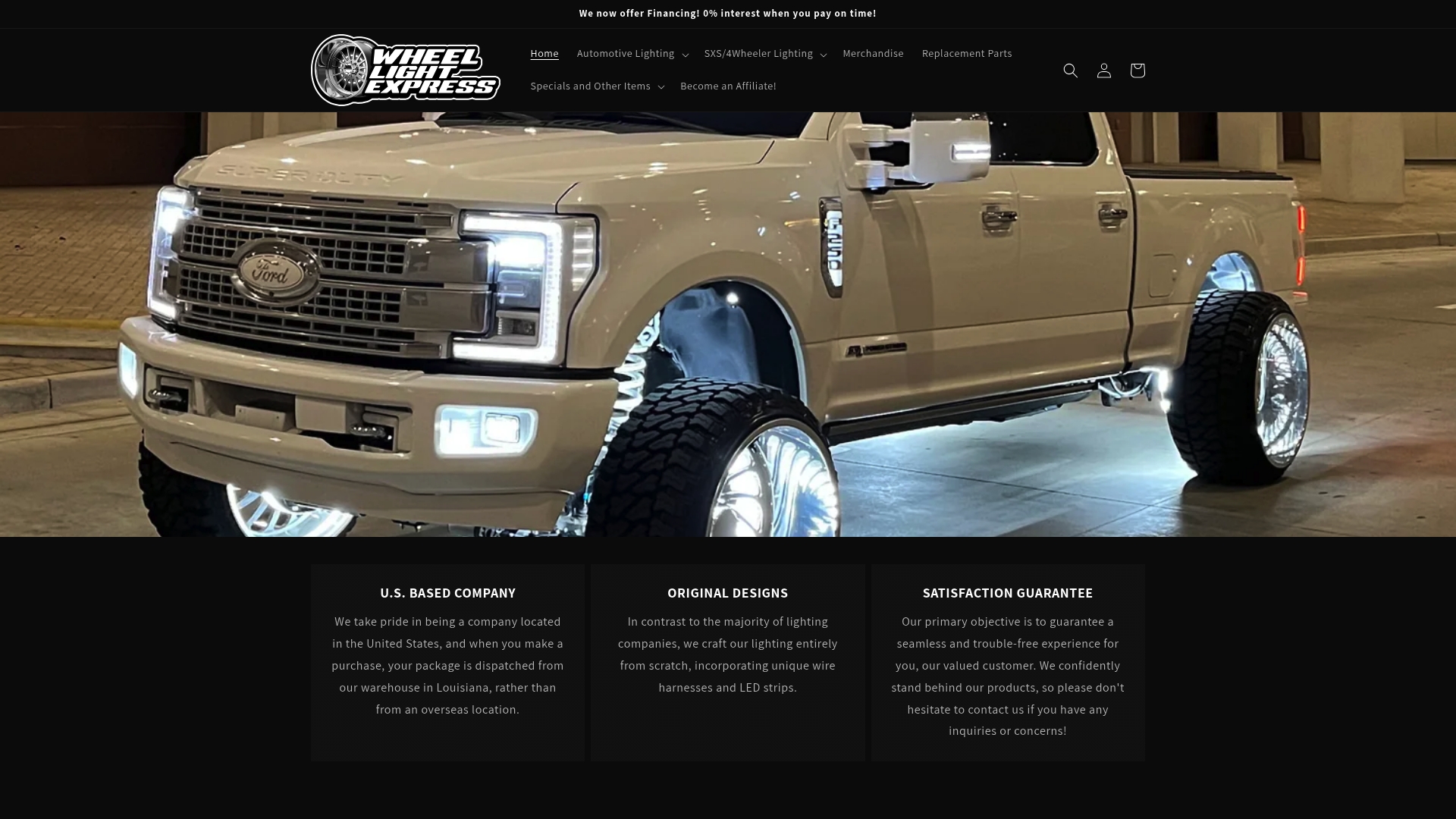
The Wheel Light Ring and Strip is built for creators who want clean, consistent wheel illumination that holds up during driving shots and static builds alike. Wheellightexpress also offers wire harness leads designed for straightforward installation without the guesswork of custom wiring. Every product comes with a satisfaction guarantee, and financing options make it easy to build out your lighting setup without paying everything upfront. If you are ready to take your vehicle’s visual presence to the next level, Wheellightexpress is the place to start.
FAQ
What is the role of LEDs in car content creation?
LEDs serve as both a functional light source and a creative storytelling tool in car content creation. They control mood, reinforce brand identity, and give creators precise control over how a vehicle looks on camera.
How do LEDs affect skin tones when filming inside a car?
Built-in vehicle LEDs can shift skin-tone balance for on-camera subjects. AI-aided visualization tools help pre-visualize and correct this before shooting to maintain natural, consistent results.
What safety standard applies to in-car LED lighting?
IEC 62471:2006 is the photobiological safety standard that governs blue light hazard and retinal safety for occupants near LEDs. Compliance is required for any extended in-car LED setup.
What type of LED strips should I use inside a vehicle?
Use automotive-rated 12V LED strips with proper fusing, grounding, and electromagnetic interference suppression. Consumer-grade strips are not built for the voltage fluctuations or vibration levels inside a moving vehicle.
What is an LED volume and why does it matter for car shoots?
An LED volume is a large curved LED wall that surrounds a stationary vehicle in a studio, providing real-time lighting and reflections. It replaces traditional process trailers and gives creators full control over every light source hitting the car’s surface.