
Purpose-built automotive LED kits with sealed harnesses and proper wiring can handle regular pressure washing without failing. The catch is that an IP rating alone does not prove jet resistance: you need the right connectors, the right installation, and the right wash technique working together. Wheel Light Express builds its lighting kits with that full picture in mind, not just a number on a spec sheet.
TL;DR:
- Only lighting kits with IPX9 or IP69K ratings and rated connectors are truly resistant to high-pressure pressure washing.
- Proper wiring techniques, including sealed connectors and protective covers, are essential for preventing pressure washer damage.
- Using a wide fan nozzle, maintaining a safe distance, and working at low pressure minimizes the risk of failure during cleaning.
- Regular inspection, re-sealing connectors, and applying dielectric grease after washing extend the lifespan of pressure-wash resistant lights.
- Choosing purpose-built, high-specification harnesses and brackets provides the best durability against repeated pressure washing.
Table of Contents
- What to look for: IP testing, connector ratings, materials, and legal limits
- Wiring and installation prep to prevent pressure-wash failures
- How to pressure wash safely around your LED lighting
- Maintenance and troubleshooting after washing
- Will pressure wash chemicals damage your LED lenses or housings?
- Drying and protective coatings that extend water resistance
- What makes a harness survive repeated pressure washing
- Shop pressure-wash-ready lighting kits built for your rig
- Sources
- FAQ
What to look for: IP testing, connector ratings, materials, and legal limits
IP ratings get thrown around loosely in lighting ads, and the second digit is where most of the confusion lives. IP67 and IP68 cover temporary or sustained immersion in still water, while IPX9 and IP69K are tested against high-pressure, high-temperature jets, which is the actual stress a pressure washer creates. IEC 60529 testing treats these as separate test rigs, so a light rated IP68 has not necessarily been proven against a jet at all.
When you’re comparing kits, ask the seller for an IPX9 or IP69K test report on the assembled unit, not just the LED chip or the raw housing. A sealed lens means nothing if the cable exit or connector behind it was never tested the same way. Wheel Light Express covers this gap in its own explanation of why an IP rating alone doesn’t guarantee protection from repeated washing.
Before you shop, run through this list:
- Confirm the connector series carries its own IPX9K or JIS D 5020 rating, since automotive-grade connector datasheets spell out which series are built for high-pressure washdown.
- Ask whether the housing uses a pressure-equalizing vent, stainless hardware, or a polycarbonate lens, all of which hold up better under repeated thermal and pressure cycling.
- Check that auxiliary lighting stays within legal limits: NHTSA guidance warns that accessory lamps using non-standard colors, or lamps that mask required equipment, can violate FMVSS No. 108 and the federal make-inoperative rule.
The connector, not the housing, is usually where pressure-washed lighting fails first. A sealed lens with an unrated connector behind it is only as strong as its weakest joint.
Wiring and installation prep to prevent pressure-wash failures
Most lighting failures trace back to wiring decisions made during install, long before a washer ever touches the truck. Get these right and the lights themselves rarely give you trouble.
- Run power through a fused relay on an ignition-switched feed. Never splice into a factory circuit that controls required lighting, since that risks violating the make-inoperative provisions tied to FMVSS No. 108.
- Pack dielectric grease into every connector pin before mating it, then cover the joint with heat-shrink or self-fusing silicone tape to block water intrusion at the seam.
- Secure every wiring run with UV-resistant zip ties roughly every 8 to 12 inches, and slide split loom tubing over any section near frame rails, brush guards, or rocker panels where abrasion is likely.
- Mount relays and switches in sheltered spots, away from direct wheel-well spray, and label each harness end so you always know where to disconnect before a wash.
A reliable fused relay harness is worth sourcing if your current wiring doesn’t already have one; options like the AEM 20 Amp Relay Wiring Kit give you a dedicated, protected feed instead of tapping into circuits you shouldn’t touch. For the connector side of the job, Wheel Light Express walks through sealing techniques for waterproof lighting connectors that apply to almost any aftermarket LED install.
Pro Tip: Label both ends of every harness with painter’s tape and a marker before you button up the install, so you’re never guessing which plug to pull before a wash.
How to pressure wash safely around your LED lighting
Technique matters as much as hardware. A washer aimed the wrong way at the wrong distance can defeat even a properly sealed kit.
- Before you start, power down the lights, visually inspect every visible connector and harness run, and make sure nothing is dangling loose near a wheel well.
- Use a wide fan nozzle rather than a narrow turbo tip, and keep the wand at least 2 to 4 feet from lighting and connectors. The gap matters because standard IP67/IP68 testing never simulates the concentrated pressure a narrow nozzle delivers at close range, while IPX9 testing does, and most kits on the road were never tested to that standard.
- Work from low to high and rinse at an angle, never spraying straight into a connector seam or adapter box.
- Never hold a jet steady on one seam, and avoid hot, high-temperature settings anywhere near adhesive-mounted lenses or tape splices.
Even a kit rated for high-pressure jets can fail if the nozzle is held too close for too long on one spot. Technique closes the gap between a lab test and your driveway.
Maintenance and troubleshooting after washing
A quick inspection after every wash catches small problems before they become a dead light or a short.
- Check each connector for moisture, swelling, or a loose fit, since the connector remains the most common failure point even on well-rated housings.
- Look over heat-shrink and self-fusing tape for lifting edges, and feel wiring runs for new chafe points against brackets or frame rails.
- Re-seal any suspect connector with fresh dielectric grease and new self-fusing tape rather than waiting for a failure.
- Replace corroded terminals outright instead of cleaning them, since corrosion tends to return once it starts.
If a housing has cracked or a lens has separated from its gasket, replacing the component is almost always better than trying to re-seal it. A cracked lens that is simply taped over will keep failing. For stubborn water spotting on the body panels around your lighting, a short vinegar-based spot treatment can lift mineral deposits without touching the lighting itself.
Pro Tip: Keep a small tube of dielectric grease and a roll of self-fusing tape in your garage. A five-minute touch-up after a wash is cheaper than a replacement harness later.
Will pressure wash chemicals damage your LED lenses or housings?
Most LED lenses on aftermarket lighting are polycarbonate or acrylic, and both hold up fine against plain water and mild automotive soap. The risk comes from stronger degreasers, tar removers, and some wheel cleaners that carry solvents aggressive enough to cloud or craze a polycarbonate lens over repeated exposure.
Housings are typically cast aluminum or a glass-filled nylon, both of which resist standard car-wash chemicals well. The weak points are the gaskets and adhesive seals, since some citrus-based degreasers and strong alkaline wheel cleaners can soften rubber gaskets or loosen double-sided mounting tape over time.
As a rule, keep aggressive wheel and tire chemicals away from direct contact with lighting, rinse any overspray promptly, and avoid letting concentrated cleaner sit on a lens or seam. A plain water rinse or a pH-balanced car soap is the safest combination for anything mounted near your wheels, rock sliders, or portals.

Drying and protective coatings that extend water resistance
Water left sitting in a connector or around a gasket is what eventually causes corrosion, so drying matters as much as the wash itself. After rinsing, use compressed air if you have it to blow water out of connector housings and seams, paying particular attention to any plug-and-play harness joints near the wheel wells.
Let the vehicle air dry for a few minutes before reconnecting power, since trapped moisture behind a connector can create a short the moment current flows through it. A light application of dielectric grease on connector pins after drying adds a water-displacing barrier that helps on the next wash too.

For housings and lenses, a silicone-based protectant applied sparingly can help shed water on the next rinse, though it should never be used on the gasket surface itself, where it can interfere with the seal. Skip wax or sealant products not rated for plastics on polycarbonate lenses, since some formulas leave a hazy film over time.
What makes a harness survive repeated pressure washing
Some companies design lighting kits and wire harnesses with durable connectors and brackets intended to withstand washing typical for trucks or off-road rigs. Using wiring and brackets that exceed ordinary specifications reduces common failure points such as stressed connector joints and flexible brackets that can crack seals.
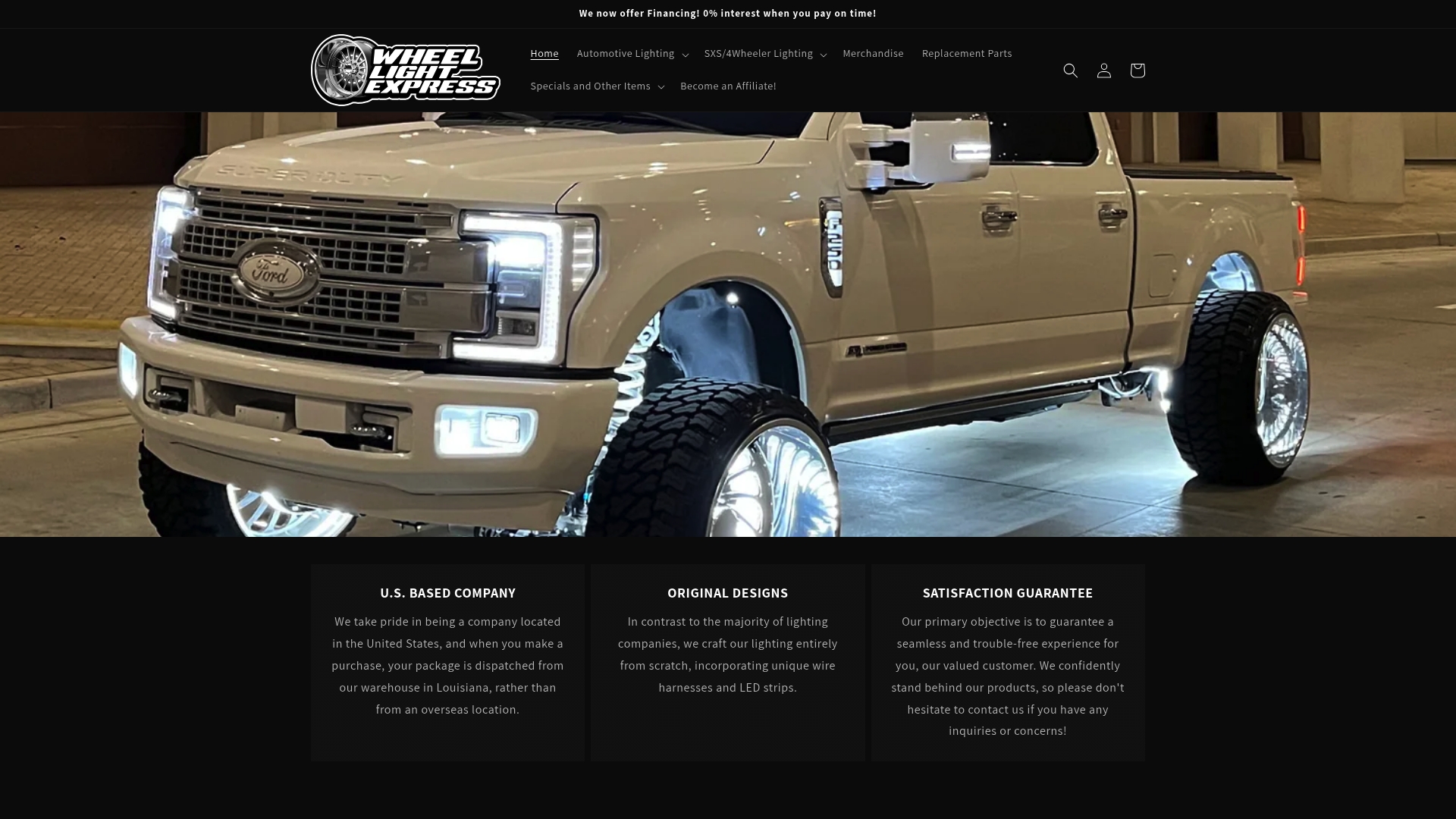
Every kit ships with a satisfaction guarantee, and financing options can make a full pressure-wash-ready setup more affordable.
— Christopher
Shop pressure-wash-ready lighting kits built for your rig
If you want wheel, rock, or portal lighting that can take a real wash without a second thought, Some manufacturers build every kit around that exact use case instead of treating it as an afterthought. Using harnesses and brackets that exceed typical specifications helps balance aesthetics with durability through regular washing.
- Browse wheel light kits, including high-density and ultra-high-density options.
- Check out rock lights for underbody and wheel-well accent lighting.
- Explore portal lights for a distinctive accent around your doors.
- Use the wheel light sizing guide before you order getting the right fit the first time.
Every kit comes backed by a satisfaction guarantee, and financing is available if you’d rather spread the cost. Reach out to support with your vehicle’s year, make, and model if you need help confirming fitment before you check out.
Sources
These sources back the technical and legal points covered throughout this guide:
- NHTSA interpretation on accessory lighting colors and impairment (24200ztv)
- How IP rating testing works under IEC 60529 | Eurotech
- HVH-280 Series waterproof connector datasheet (Farnell)
- Self-fusing silicone rubber insulating tape (USI Groups)
FAQ
Can LED wheel lights handle a pressure washer without breaking?
Purpose-built automotive LED kits with sealed, properly rated connectors can handle regular pressure washing, but the housing’s IP rating alone doesn’t guarantee it. The connector, harness sealing, and wash technique matter just as much as the light itself.
What IP rating do I actually need for pressure washing lights?
Look for IPX9 or IP69K specifically, since those are the only IEC 60529 tests built around high-pressure jet exposure rather than still-water immersion. IP67 or IP68 alone does not confirm jet resistance.
Is it legal to add aftermarket rock lights or wheel lights to my truck?
It depends on the color, brightness, placement, and activation pattern, since NHTSA guidance prohibits auxiliary lighting that impairs or masks required lamps under FMVSS No. 108. Sticking to steady-burning amber or white accent lighting mounted away from required lamps keeps most setups compliant.
How often should I re-seal my lighting connectors?
Check connectors after every pressure wash and reapply dielectric grease or self-fusing tape any time you see moisture, swelling, or lifted tape edges. Waiting until a light fails usually means replacing a corroded connector instead of a quick touch-up.
Does Wheel Light Express offer financing for lighting kits?
Some companies offer financing options to help customers acquire full lighting setups without paying the full cost upfront, often alongside satisfaction guarantees.