

Bespoke lighting is defined as fixtures engineered and fabricated to meet exact spatial, aesthetic, and technical constraints that standard, off-the-shelf products cannot fulfill. For automotive enthusiasts, bespoke lighting concepts explained properly go far beyond swapping in a brighter bulb. They cover every variable: color temperature, beam angle, material finish, mounting dimensions, and control system integration. Techniques like ambient, task, and accent layering, combined with build-to-order fabrication, produce results that stock lighting simply cannot match. Wheellightexpress designs all its automotive lighting products in Louisiana, applying these same principles to deliver original, quality-built solutions for enthusiasts who want their vehicles to stand apart.
What are the key components in bespoke lighting concepts?
Bespoke lighting is defined as fixtures engineered to meet exact spatial, aesthetic, and technical constraints beyond stock inventory options. That definition matters because it shifts the entire design conversation away from “which product fits” toward “what does this specific vehicle actually need.”
The customization variables in a bespoke build include:
- Color temperature: Measured in Kelvin, this controls whether light reads as warm amber, neutral white, or cool blue. Automotive interiors typically favor 3,000K–4,000K for a refined look.
- Beam angle: Narrow beams create focused accent effects; wide beams produce ambient fill. Getting this wrong causes glare or flat, uninspiring light.
- Material finishes: Anodized aluminum, powder-coated steel, and polished chrome each behave differently under heat and vibration, both common in automotive environments.
- Mounting dimensions: Custom brackets and housings allow fixtures to follow body contours that no standard part accommodates.
- Control system integration: Protocols like DALI, Zigbee, and DMX allow programmable color changes, dimming curves, and scene presets from a single controller.
Layering is the structural principle behind any well-designed bespoke setup. Layered lighting design separates ambient light (overall fill), task light (functional zones), and accent light (aesthetic highlights) into distinct, controllable circuits. Each layer serves a different purpose, and combining them produces depth that a single light source never achieves.
Pro Tip: Before specifying any fixture, map out which layer each light serves. Mixing ambient and accent functions into one fixture almost always produces a compromised result.
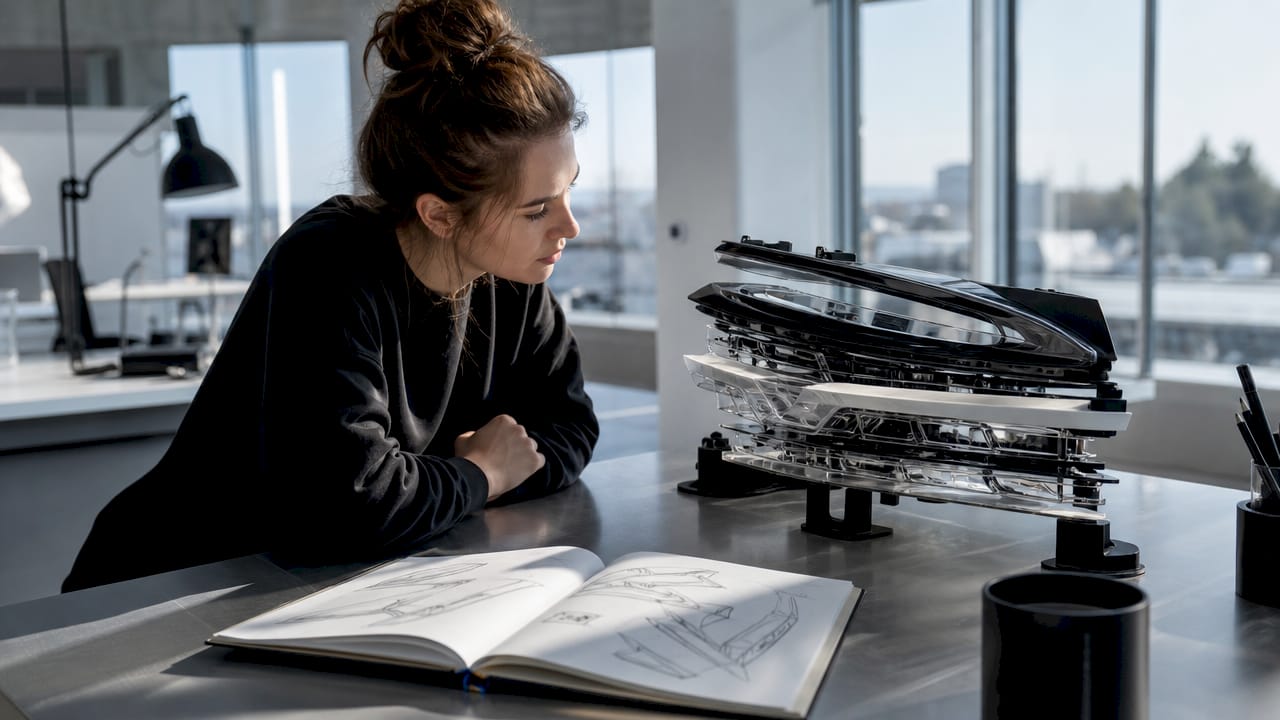
Build-to-order fabrication means custom finishes and housings are made from scratch rather than pulled from warehouse stock. That reality has a direct consequence: lead times for bespoke automotive lighting run longer than standard parts. Planning your build timeline around fabrication queues is not optional; it is part of the process.
How does the bespoke lighting design process work?
The workflow from concept to finished installation follows a clear sequence. Skipping any step increases the risk of a fixture that looks wrong, fits poorly, or fails early.
- Consultation: You define the goal. What effect do you want? What are the vehicle’s constraints? A good fabricator asks about power draw limits, mounting surfaces, and the environment the vehicle operates in.
- Technical drawings and measurements: Precise vehicle measurements feed directly into CAD files. 3D design rendering and CAD software align design intent with manufactured reality before a single part is cut.
- Engineering review: Material selection, thermal management, and electrical load calculations happen here. This step prevents failures caused by heat buildup or inadequate wiring.
- Prototype and simulation: A physical or digital prototype validates the design. You see beam spread, color output, and fit before committing to full production.
- Fabrication: Build-to-order manufacturing begins. This is where custom finishes, unique wire harnesses, and LED strip configurations are produced to spec.
- Installation support: A quality fabricator provides technical guidance for the installation phase, not just the product.
Iterative consultation with technical drawings, 3D renderings, and prototypes is what separates professional bespoke lighting from a custom paint job that happens to include some LEDs. Each review cycle catches misalignments between your vision and the engineering reality.
Pro Tip: Bring accurate vehicle measurements and reference photos to your first consultation. Fabricators who work from vague descriptions produce vague results.
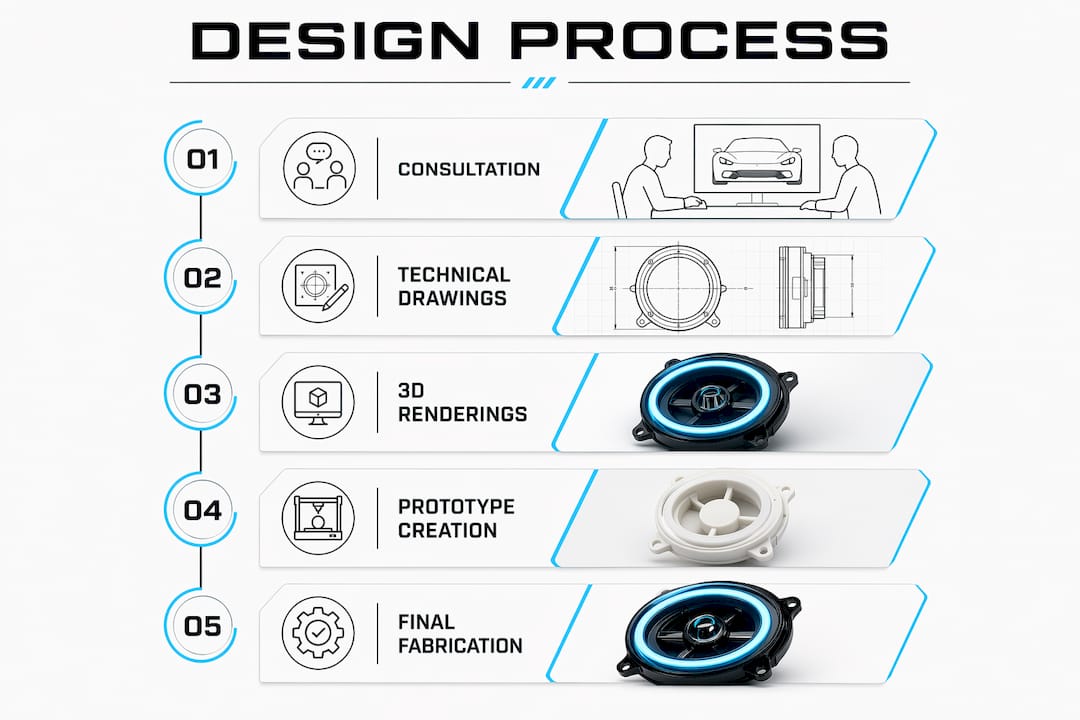
The prototype stage is where most enthusiasts are surprised. Seeing a simulation of beam angle and color temperature on your actual vehicle before fabrication begins changes decisions that would otherwise be costly to reverse.
Why does bespoke lighting matter for automotive enthusiasts?
Bespoke lighting is the right choice for automotive enthusiasts because tailored lighting integration addresses mounting, finish, and lighting effects that are unique to each vehicle’s form. Stock and aftermarket lighting products are designed for the widest possible compatibility. That compromise shows.
The advantages of a fully custom approach include:
- Heat management: Automotive environments generate significant heat. Bespoke fixtures use engineered thermal pathways to protect LEDs from premature failure, something generic strip kits rarely address.
- Glare control: Precision optics direct light exactly where it belongs. Poor beam control creates glare that distracts other drivers and undermines the aesthetic you paid for.
- Color accuracy: Color rendering and beam angle are the variables that produce a professional, high-end look. Brightness alone does not achieve this.
- Form integration: Custom housings follow body lines, wheel arches, and interior contours. The result looks factory-designed rather than added on.
- Individuality: No two bespoke builds are identical. That exclusivity is a core reason enthusiasts choose this path.
The difference between bespoke and aftermarket lighting is not just visual. Aftermarket products fit a category of vehicles. Bespoke products fit your vehicle. That distinction drives every decision in the design process, from the custom lighting integration of wheel lighting to interior accent circuits.
Bespoke lighting should be integrated early in the vehicle design or build process. Early integration allows lighting to reveal form and define scale with precision. Retrofitting lighting into a finished build always involves compromises that early planning avoids.
Bespoke vs. aftermarket lighting at a glance:
| Feature | Bespoke lighting | Aftermarket lighting |
|---|---|---|
| Fit | Built to vehicle-specific dimensions | Designed for broad compatibility |
| Finish options | Fully custom | Limited to catalog options |
| Thermal management | Engineered per fixture | Generic, often minimal |
| Control integration | DALI, Zigbee, DMX capable | Basic on/off or simple remote |
| Lead time | Longer, build-to-order | Immediate, from stock |
What practical considerations should you keep in mind?
Planning a bespoke automotive lighting build requires honest assessment of several factors before you commit to a design direction.
- Budget: Custom fabrication costs more than aftermarket products. The premium reflects engineering time, material quality, and build-to-order production. Set a realistic budget before the consultation, not after.
- Lead time: Build-to-order manufacturing means production queues are real. Custom finishes like marine-grade coatings add time. Build your project timeline around the fabricator’s schedule, not the other way around.
- Power draw: Every vehicle has a fixed electrical capacity. Your bespoke lighting design must stay within the power draw limits of your vehicle’s charging system and fuse ratings. Overloading circuits causes failures and safety risks.
- Mounting constraints: Wheel arches, door panels, and undercarriage locations each present different structural challenges. A fabricator needs to know these constraints before designing housings or brackets.
- Environmental exposure: Exterior lighting faces water, road debris, and temperature swings. Marine-grade coatings and sealed housings are the right specification for any exterior application.
- Professional consultation: Precision optics and thermal management require expert knowledge. Attempting to engineer these elements without professional input produces fixtures that fail early or perform poorly.
Bespoke lighting also requires you to balance aesthetics with technical requirements like color rendering and energy efficiency. Experts note that custom design is not always the right default choice. If a quality aftermarket product meets your actual needs, the bespoke route adds cost without proportional benefit. Know what you need before you commit.
Reviewing lighting best practices for custom automotive builds before your first consultation puts you in a much stronger position to ask the right questions and evaluate the answers you receive.
Key Takeaways
Bespoke automotive lighting produces results that stock and aftermarket products cannot match because it engineers every variable, from beam angle to thermal management, around your specific vehicle.
| Point | Details |
|---|---|
| Definition matters | Bespoke lighting is built to exact specifications, not adapted from standard inventory. |
| Layering is the foundation | Ambient, task, and accent layers each serve a distinct purpose and must be planned separately. |
| Process follows a sequence | Consultation, CAD rendering, engineering, prototype, fabrication, and installation support are all required steps. |
| Automotive context is specific | Heat management, glare control, and form integration are non-negotiable in vehicle applications. |
| Plan before you build | Budget, lead time, power draw, and mounting constraints must be resolved before fabrication begins. |
Why I think most enthusiasts approach bespoke lighting backward
Most automotive enthusiasts I talk to start their bespoke lighting project by asking “how bright do I want it?” That is the wrong first question. Brightness is the least interesting variable in a bespoke build. Beam angle, color temperature, and glare control are what separate a professional result from an expensive disappointment.
The second mistake I see consistently is treating lighting as a finishing touch. Lighting integrated late into a build always looks like an afterthought, because it is. The vehicles that genuinely turn heads at shows and meets are the ones where lighting was part of the design conversation from the start, not bolted on at the end.
The third mistake is underestimating the value of a knowledgeable fabrication partner. Bespoke lighting is not a solo project. The consultation, the iterative review, the prototype validation: these steps exist because experienced fabricators have seen what goes wrong when they are skipped. Collaborate with people who know the engineering, not just the aesthetics. The result is a vehicle that expresses your individuality with the quality to back it up. That combination is what makes bespoke lighting worth every dollar.
— Christopher
Wheellightexpress has the components your build needs
Wheellightexpress designs and builds automotive lighting products in Louisiana, with original designs that are not sourced overseas. For enthusiasts ready to build or upgrade, the product range covers the core components of a bespoke automotive lighting setup.
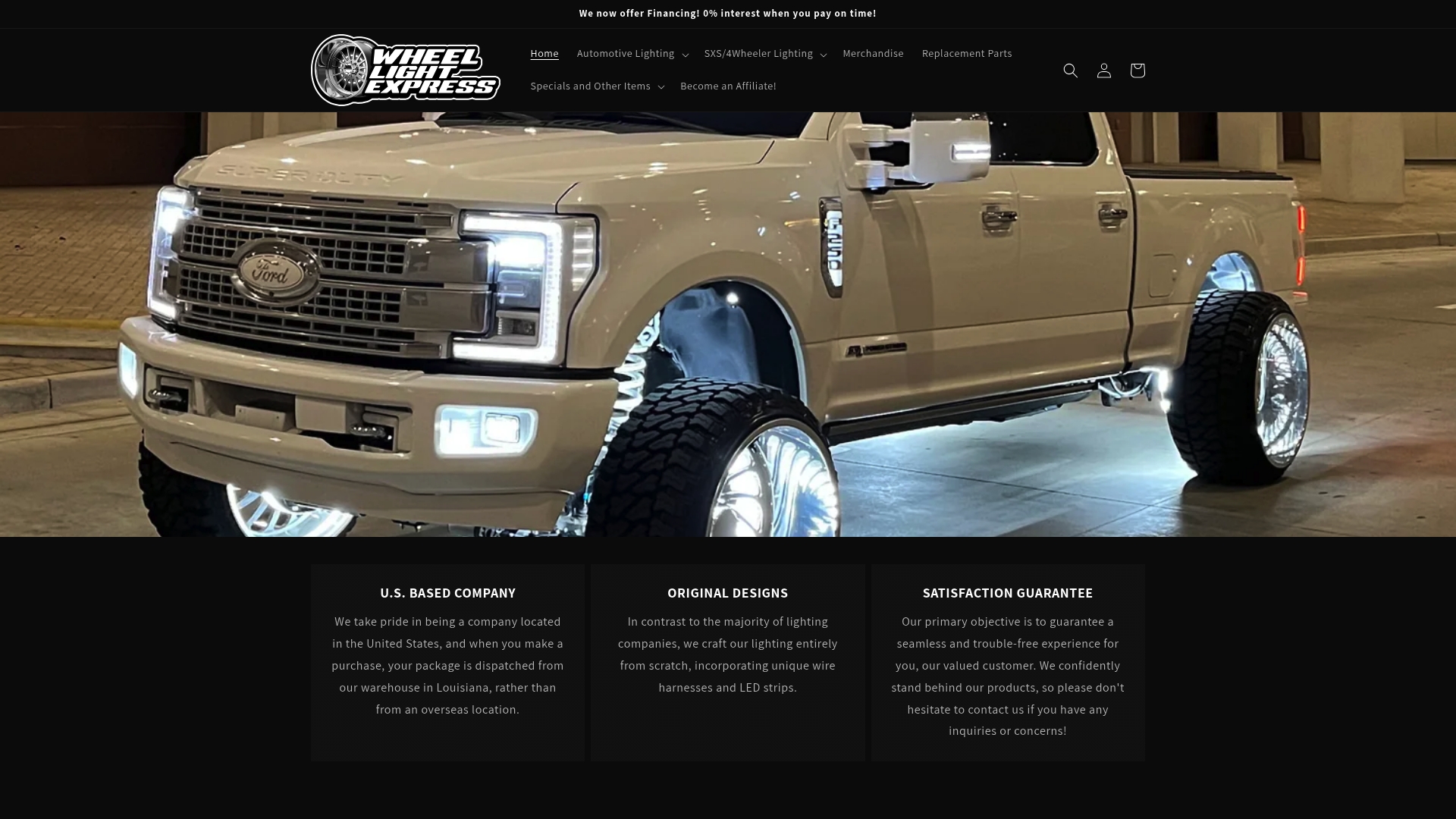
The wheel light ring and strip lineup gives you a foundation for wheel-mounted accent lighting, while the wire harness leads provide the clean, reliable electrical connections that bespoke builds require. Wheellightexpress also offers financing options, so quality lighting is accessible without a large upfront cost. Every purchase comes with a satisfaction guarantee. If you want to see what bold automotive lighting looks like in practice, the types of bold automotive lighting guide is a strong starting point.
FAQ
What is bespoke lighting in automotive applications?
Bespoke automotive lighting refers to fixtures engineered to exact vehicle-specific dimensions, finishes, and technical requirements rather than adapted from standard catalog products. Every variable, including beam angle, color temperature, and mounting hardware, is specified for the individual build.
How long does bespoke automotive lighting take to produce?
Build-to-order fabrication means production timelines are longer than aftermarket parts. Custom finishes and specialized components are made from scratch, so realistic lead time planning is part of every bespoke project.
What is the difference between bespoke and aftermarket lighting?
Aftermarket lighting is designed for broad vehicle compatibility. Bespoke lighting is engineered around your specific vehicle’s form, power system, and aesthetic goals, producing a result that fits and performs precisely.
Why does beam angle matter more than brightness?
Beam angle determines where light actually goes and whether it creates glare. Experts identify beam angle and color temperature as the variables that produce a professional, high-end lighting result, not raw brightness.
Do I need professional help to design bespoke automotive lighting?
Professional consultation is necessary for bespoke lighting because precision optics, thermal management, and electrical load calculations require expert knowledge. Attempting these without professional input produces fixtures that underperform or fail early.