
Choose clear lenses when visibility and signaling matter most, since they push out more usable light and keep colors true to what other drivers expect to see. Choose smoked lenses when style leads your build, but only if you match amber bulbs behind them and confirm your state allows the tint. Either way, check local vehicle codes first and pair your LED color to your lens color. Compatible harnesses and LED options are available for both paths.
TL;DR:
- Using amber LEDs behind smoked lenses ensures the signal color remains compliant and visible in various lighting conditions, especially during dawn or fog.
- Smoked lenses can significantly reduce visible brightness and may obscure signal color, risking misidentification or legal issues if not paired with proper LEDs.
- Clear lenses are better suited for daily driving because they provide maximum visibility and true color signals, especially on lighter-colored trucks.
- Local regulations often require amber marker signals, so matching LED color to lens type and checking state laws about tint restrictions is essential.
- Well-designed, OEM-fit wiring harnesses from trusted sources help prevent CAN Bus faults and ensure reliable LED performance over time.
Table of Contents
- Smoked vs Clear Cab Lights: Which One Actually Lights Up the Road?
- Which Look Fits Your Truck: Smoked Stealth or Clear Precision?
- Are Smoked Cab Lights Legal in Your State?
- How Do You Match LED Color to Lens Color Correctly?
- Which Lens Type Holds Up Better Over Time?
- A Four-Step Way to Pick Between Smoked and Clear
- Why Wheel Light Express Builds Lighting the Way We Do
- Ready to Install? Here’s Where to Start
- Where to Verify the Rules and Details
- Sources
- FAQ
Smoked vs Clear Cab Lights: Which One Actually Lights Up the Road?
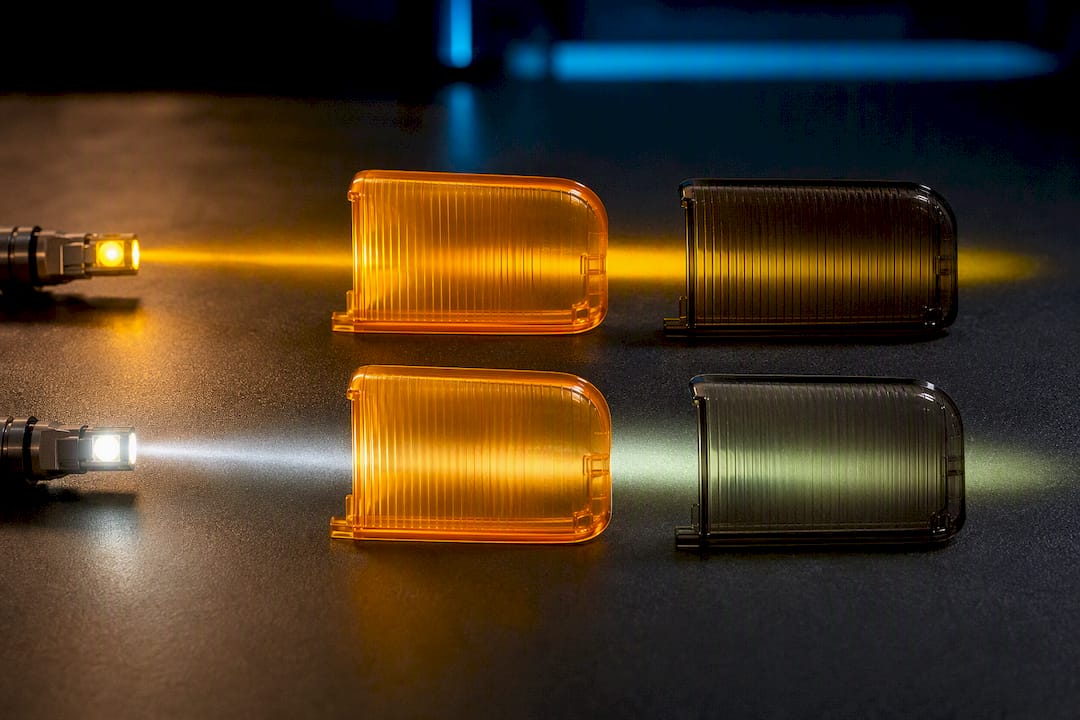
A clear lens passes nearly all the light a bulb produces. A smoked lens is tinted plastic or acrylic that filters part of that output before it ever reaches another driver’s eyes, which means the same bulb reads dimmer and less distinct through smoke than through clear glass.
That difference matters most at dusk, in fog, or on rural highways where a marker light is your truck’s early warning system to oncoming traffic. Amber LEDs behind a clear lens produce a sharp, saturated amber signal. The same LEDs behind smoked glass often shift toward a muddier orange or brown, which slows recognition time for other drivers.
A few practical notes worth knowing before you buy:
- Smoked lenses can cut visible output enough that a marker reads as “off” from a distance during daylight.
- White LEDs behind smoked lenses often wash out to a dull gray, losing the color meaning entirely.
- Swapping bulb types on a modern truck can trigger CAN Bus faults, hyper-flashing, or dashboard warning lights if the new load doesn’t match what the factory wiring expects.
Pro Tip: If you want the smoked look without sacrificing signal clarity, run amber LEDs specifically rated for smoked lenses rather than relying on the lens tint alone to color the light.
Which Look Fits Your Truck: Smoked Stealth or Clear Precision?
Smoked lenses read as aggressive and low key, the kind of finish that disappears into a blacked-out grille or matte wrap. Clear lenses read as clean and factory-correct, which is why they show up so often on light-colored trucks and chrome-trim trims where contrast, not concealment, is the goal.
Forum threads on the subject show a fairly consistent split in community preference: owners with darker paint or blacked-out trim packages tend to prefer smoked, while owners running lighter paint or chrome accents lean clear. Neither is objectively better looking. It comes down to what the rest of your build is doing.
A few pairing notes from owners who’ve gone through this decision:
- Smoked lenses tend to disappear visually against black, gray, or dark blue paint.
- Clear lenses pop against white, silver, or bright color trucks and echo factory chrome trim.
- Window tint darker than factory glass often reads better with smoked cab lights than with clear ones, since the two finishes match in tone.
Both finishes remain common aftermarket options, and appearance preference, not performance, is usually what drives the purchase.
Are Smoked Cab Lights Legal in Your State?
The biggest risk with smoked lenses isn’t a ticket for looking cool. It’s a citation for changing your marker lights’ required signal color. Many states require amber output for cab and clearance marker lights on certain vehicle classes, and a heavily smoked lens can shift that amber into something closer to brown or dark orange that no longer reads as a legal signal color. Federal guidance on this point is direct: modifications that reduce a vehicle’s conspicuity or alter its required marker color can create both legal and safety exposure, regardless of intent.
Before you buy, work through these steps:
- Pull up your state’s vehicle code section on lighting equipment, not just a forum summary of it.
- Check whether your vehicle class (light truck vs commercial) carries a specific amber marker requirement.
- Ask a local inspection station or law enforcement contact how they interpret tinted lens enforcement in practice, since written code and street enforcement don’t always match.
Pro Tip: The safest legal path with a smoked look is running amber LEDs behind the smoked lens, not white ones. That keeps your signal color compliant even though the housing looks tinted. Reserve fully smoked, non-amber setups for show trucks that don’t see regular road use, and check our side marker color law guide for state-by-state specifics before you order.
How Do You Match LED Color to Lens Color Correctly?
Getting this wrong is the single most common mistake we see in cab light installs. Amber LEDs behind amber or smoked amber lenses produce the signal color inspectors and other drivers expect. White LEDs behind either lens type often produce a washed-out or greenish cast that looks wrong and may not satisfy marker color rules at all.
CAN Bus compatibility is the second common snag. Many late-model trucks monitor bulb resistance and throw a hyper-flashing warning or dashboard error when a new LED’s electrical load doesn’t match what the factory expects. A resistor or a CAN Bus-rated adapter usually resolves it, but only if you diagnose the actual cause rather than swapping parts at random.
Before you order parts, run through this checklist:
- Confirm the lens color first, then buy LEDs rated for that specific color.
- Check whether your model year needs a CAN Bus adapter before you install, not after you get an error code.
- Verify the housing is OEM-fit or a verified aftermarket match. Ill-fitting housings lead to water intrusion later.
Pro Tip: A plug-and-play harness built for your exact model saves you the guesswork of splicing wires and reduces the chance of a bad ground causing intermittent flicker. Our breakdown of kit components covers what’s in a typical harness before you buy.
Modern LED kits also run cooler and pull less current than the incandescent kits they replace, which is part of why most current buyer guides recommend LEDs over older bulb types for both brightness and lifespan.
Which Lens Type Holds Up Better Over Time?
Clear lenses show dirt and haze faster because there’s no tint to mask it, but they’re also easier to judge at a glance, since scratches and fogging stand out immediately against a transparent background. Smoked lenses hide light grime well but can develop a blotchy, uneven look as UV exposure fades the tint unevenly across the housing.
Housing quality matters more than lens color for actual lifespan. Well-sealed housings resist moisture ingress that causes fogging and corrosion inside the lens, regardless of tint. LEDs themselves typically outlast incandescent bulbs by a wide margin, so the lens and seal, not the bulb, become the limiting factor on how long a set looks good.
A short maintenance routine keeps either type looking right:
- Clean with plastic-safe cleaner, never abrasive pads that scratch the finish.
- Inspect gaskets annually and reseal or replace if you see condensation inside the housing.
- Replace the housing, not just the bulb, once you see cracking, yellowing, or persistent fogging.
A Four-Step Way to Pick Between Smoked and Clear
Work through these steps in order and you’ll land on the right lens without second-guessing yourself later.
- Check your state’s vehicle code for marker color and placement requirements before you fall in love with a look.
- Decide your priority. If visibility on dark rural roads matters most, pick clear. If style leads and you’re willing to match amber LEDs, smoked works.
- Match your LED color to your lens choice and confirm whether your model year needs a CAN Bus adapter.
- Choose a harness or plug-and-play kit sized for your install, and decide now whether you’re doing it yourself or handing it to a shop.
| Buyer type | Likely pick | Why |
|---|---|---|
| Daily commuter | Clear | Maximizes visibility on mixed lighting conditions |
| Show truck | Smoked | Style priority, limited road-condition exposure |
| Work truck | Clear or amber-matched smoked | Balances legal marker compliance with daily use |
Why Wheel Light Express Builds Lighting the Way We Do
I’m Christopher, and Wheel Light Express designs and assembles our lighting in Louisiana rather than sourcing generic overseas kits and relabeling them. That distinction shows up most clearly in harness design: we build wiring specifically to avoid the CAN Bus faults and bulb mismatches that plague generic swaps.
Our approach starts with matching LED color to lens color before a kit ever ships, because we’d rather solve that problem in design than have a customer troubleshoot it in a driveway. We back every kit with a satisfaction guarantee, since a lighting upgrade that throws error codes or fades in a year isn’t a real upgrade. The trade-offs in this guide, brightness versus tint, style versus code compliance, aren’t theoretical to us. They’re what we design around every day.
— Christopher
Ready to Install? Here’s Where to Start
Once you’ve decided between smoked and clear, the part that actually determines whether your install goes smoothly is the wiring behind it. Wheellightexpress designs wire harness leads and a dedicated replacement wire harness built specifically to sidestep the CAN Bus errors and hyper-flashing issues that come from mismatched aftermarket wiring, since every kit is designed and assembled in Louisiana rather than dropped in from an unnamed overseas supplier.
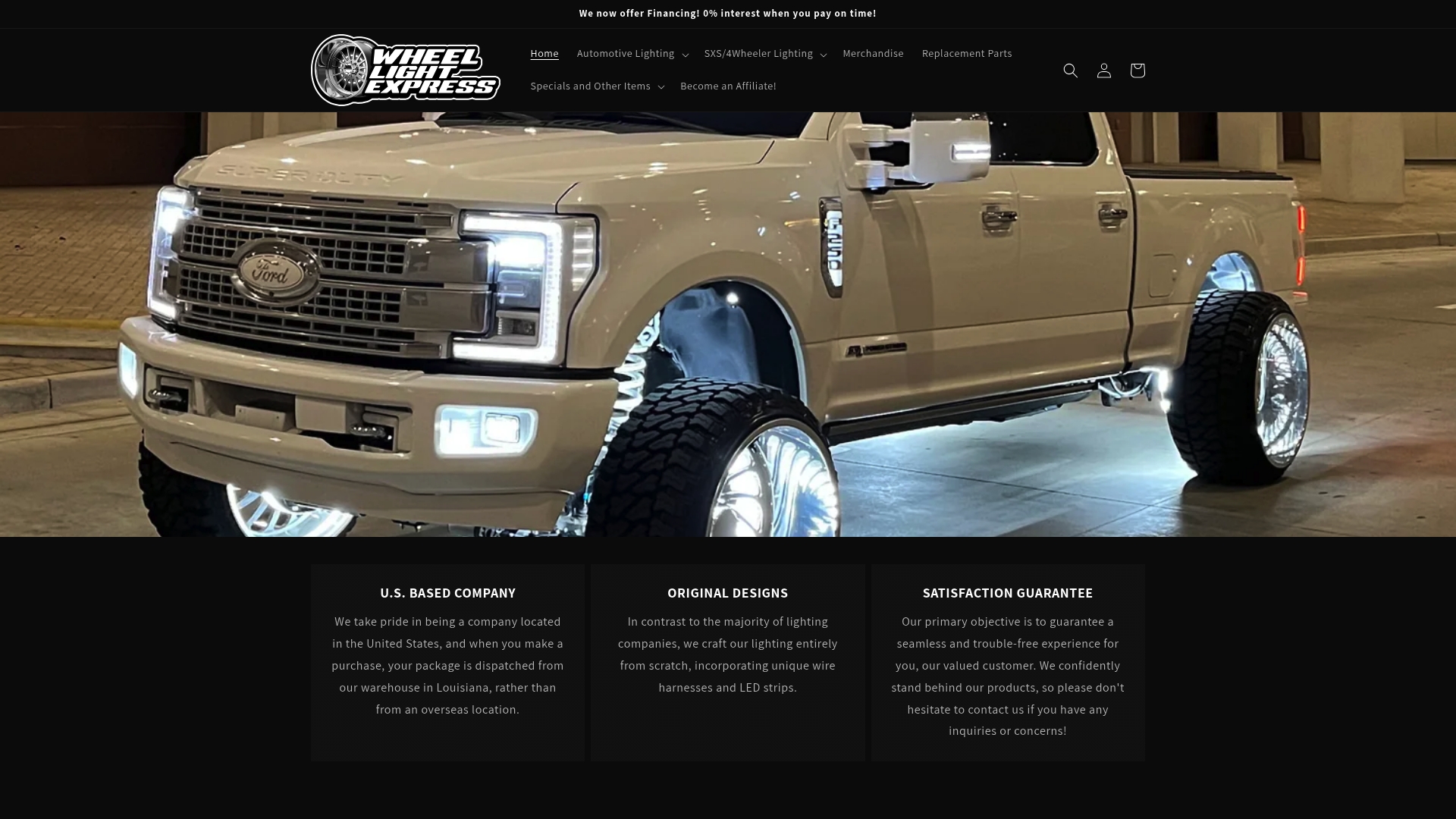
If you’re building out a full exterior lighting package rather than just cab markers, our XB LED puddle lights use the same plug-and-play philosophy, model-specific fitment with wiring that matches factory expectations out of the box. Every purchase carries our satisfaction guarantee, and financing options mean you don’t have to cover the full cost upfront to get your truck lit the way you want it. Check the fitment notes on your model’s product page, or contact our support team directly if you have a CAN Bus question before you order.
Where to Verify the Rules and Details
Before you commit to smoked or clear, verify the legal and technical points that matter most against these sources.
- NHTSA interpretation GF0025513 for federal guidance on marker lighting modifications and conspicuity requirements.
- Our LED upgrade buyer’s guide for compatibility and part selection.
- Our full kit safety and style breakdown for how integrated kits balance both priorities.
Sources
- NHTSA interpretation GF0025513
- LED cab lights guide — Durostech
- Cab lights for F-250: buyer’s guide — FOBWP
FAQ
Do Cops Care About Smoked Cab Lights?
Enforcement varies by jurisdiction, but officers can and do cite smoked lenses when the tint changes a marker’s required signal color, particularly amber marker requirements on trucks. Check your state’s marker color rules before assuming it’s a non-issue.
Which LED Cab Lights Are the Best?
The best option is whichever LED color matches your lens and passes your state’s marker requirements, since a mismatched LED and lens combination undercuts both looks and legality. Amber LEDs behind amber or smoked amber lenses, and white LEDs behind clear lenses, give the most reliable results.
Is It Better to Choose Smoked or Clear Cab Lights?
Clear lenses deliver more usable light output and truer signal color, making them the safer default for daily driving. Smoked lenses work well for style-focused builds as long as you run amber LEDs behind them and confirm local legal limits.
What Are Cab Clearance Lights For?
Cab clearance lights mark the top width and height of a truck so other drivers can judge its size, especially at night or in poor visibility. They’re a safety feature first, which is part of why several states regulate their required color and placement.