
Custom car lighting is defined as the replacement or addition of vehicle lighting components to improve both visual appearance and driving safety beyond factory specifications. The benefits of custom car lighting are concrete: LED upgrades illuminate road signs up to 40% farther than halogen bulbs, while purpose-built designs create a vehicle identity that no factory build can replicate. The industry term for this category is “automotive lighting customization,” covering everything from LED daytime running lights (DRLs) to underglow strips and sequential turn signals. Wheellightexpress designs all of its lighting solutions in Louisiana, giving enthusiasts access to original, U.S.-crafted products built for real performance and lasting style.
1. Benefits of custom car lighting for vehicle aesthetics
Custom lighting is the fastest way to separate your vehicle from every other car in a parking lot. Precise LED patterns create an “OEM-plus” look that factory builds simply cannot match. That distinction matters at car shows, on the street, and anywhere you want your vehicle to make a statement.
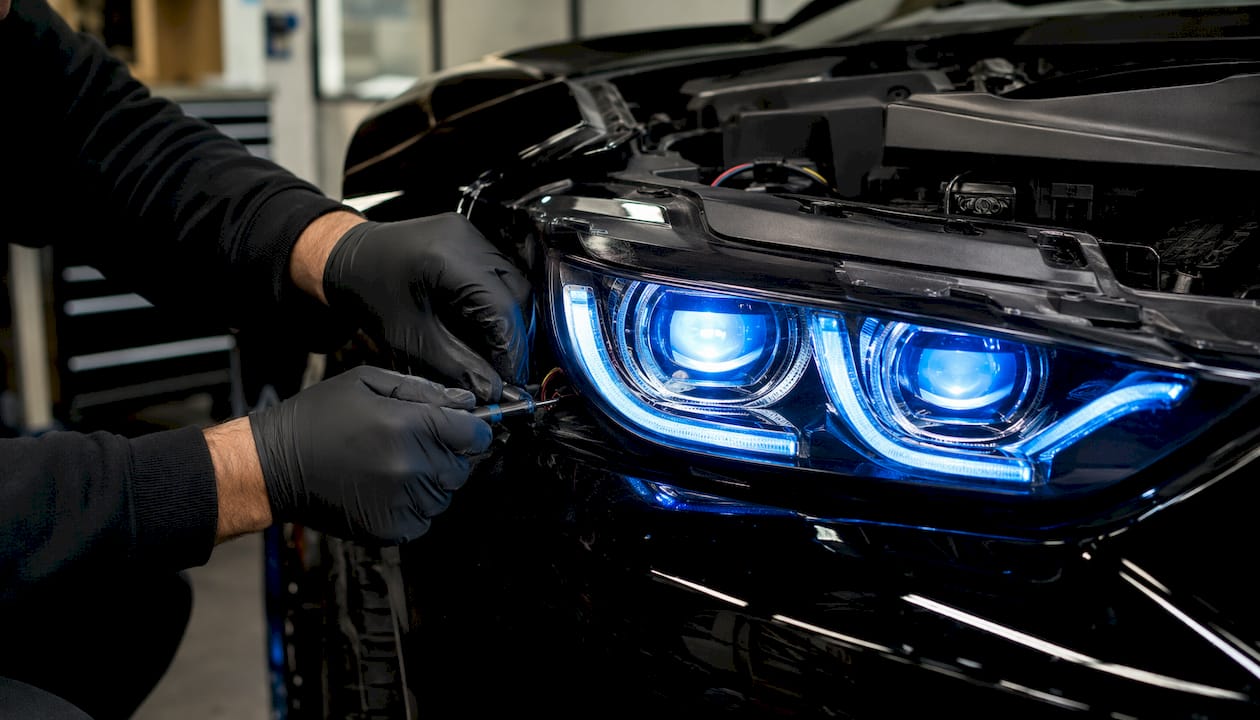
Lighting defines presence. The right color temperature, beam shape, and placement communicate personality before anyone reads a badge or sees a body kit. Lighting upgrades craft a distinctive vehicle identity through signature LED designs that blend form and function. That is why serious enthusiasts treat lighting as a design decision, not just a maintenance task.
Popular aesthetic upgrades include:
- LED DRLs: Crisp white or amber strips that run during daylight, giving the front end a modern, intentional look
- Underglow kits: LED strips mounted beneath the chassis, casting color onto the ground for a show-ready appearance
- RGB color-changing strips: Interior or exterior strips controlled by remote or smartphone app, allowing color shifts to match events or moods
- Sequential turn signals: LEDs that light up in a sweeping motion rather than a simple flash, adding a premium feel borrowed from high-end production cars
- Wheel light rings: Illuminated rings mounted at the wheel that glow while the vehicle moves, a specialty of Wheellightexpress
Pro Tip: Match your lighting color temperature to your paint. Cool white LEDs (5,000K–6,000K) complement silver, white, and gray finishes. Warm amber tones work better with gold, orange, and earth-tone builds.
You can read more about lighting in car culture to understand how these choices connect to a broader enthusiast identity.
2. Enhanced visibility and safety gains from custom lighting
Custom lighting upgrades deliver measurable safety improvements, not just visual ones. LED tail lights warn following drivers approximately 0.2 seconds faster than incandescent bulbs. At 60 mph, that 0.2-second difference translates to 17.6 feet of additional stopping distance.
Color temperature determines how well you see in different conditions. The table below shows how temperature choices affect real-world visibility:
| Color Temperature | Best Condition | Visibility Quality |
|---|---|---|
| Below 4,000K | Fog, heavy rain | Reduced glare, softer spread |
| 5,000K–6,000K | Clear night driving | Optimal road sign and obstacle detection |
| Above 6,500K | Any condition | Decreases visibility in adverse weather |
Beam pattern matters as much as brightness. Poor plug-and-play LED bulbs scatter light, blinding oncoming traffic instead of illuminating the road. Proper optical engineering governs beam spread so you get maximum road coverage with minimal glare to other drivers.
“Custom lighting should balance aesthetics, functionality, and safety, achieving a driving upgrade that also expresses the owner’s personal style.” — How lighting transforms car styling
The safety case for custom lighting is strongest when you choose products engineered for your specific vehicle. Generic kits often skip the optical precision that separates a safe upgrade from a hazardous one.
3. Durability, energy efficiency, and long-term value
Custom LED solutions cost more upfront than generic kits. They also deliver a 20–30% higher long-term ROI than retail alternatives, driven by lower energy consumption, fewer failures, and reduced labor for replacements. That math changes the conversation from “is this affordable?” to “can I afford not to upgrade?”
The lifespan difference is significant. Engineered LED boards last 50,000+ hours, compared to approximately 25,000 hours for standard retail kits. That gap means you replace a generic kit roughly twice before a quality custom solution needs attention.
Energy consumption tells a similar story. Traditional halogen bulbs draw 55–65 watts. High-quality LED bulbs provide 3,000–6,000 lumens while consuming only 20–35 watts. Lower electrical load reduces strain on your alternator and battery, which matters on builds with multiple lighting zones.
Thermal management is the factor most enthusiasts overlook. Inadequate heat dissipation shortens LED lifespan regardless of bulb quality. Integrated heat sinks and proper airflow channels are what separate a well-engineered lighting product from one that fails within a season.
Pro Tip: Before buying any LED kit, ask the manufacturer whether the product includes an integrated heat sink. If the answer is vague or the spec sheet does not list thermal management, treat that as a red flag.
Understanding the difference between aftermarket options is worth your time. This breakdown of OEM vs. aftermarket parts explains how specialized aftermarket products compare on quality, integration, and compliance.
4. Creative custom car lighting ideas and integration best practices
The range of custom lighting types available in 2026 gives enthusiasts more control over their build than ever before. Choosing the right combination depends on your vehicle’s use case, your style goals, and how much of the electrical system you want to modify.
Common lighting types and their best applications:
- Interior ambient lighting: LED strips placed under dash panels, door sills, or seats to create a cabin glow. Works well for daily drivers and show vehicles alike.
- Underglow: Chassis-mounted strips that project color onto the ground. Particularly popular on show trucks, where the benefits of custom lighting extend to stage presence and crowd impact.
- Fog light upgrades: Replacing factory fog lights with high-output LEDs improves peripheral vision in low-visibility conditions. Color temperature selection here is critical.
- Sequential turn signals: A retrofit that adds a sweeping activation pattern. Clean integration requires matching the LED load to the factory flasher relay to avoid hyperflashing.
- Wheel light rings: Wheellightexpress specializes in these. Rings mount at the wheel and illuminate while the vehicle moves, creating a signature look that works on trucks, muscle cars, and custom builds.
- Smartphone-controlled RGB systems: App-based control lets you switch colors, set patterns, and sync lighting to audio. These systems require clean wiring and a reliable controller module.
Clean wiring is the difference between a professional result and a fire hazard. Custom lighting integration requires matching wire gauge to amperage load, using weatherproof connectors in exposed areas, and routing harnesses away from heat sources. Wheellightexpress builds unique wire harnesses designed specifically for their lighting products, which removes much of the guesswork from installation.
Avoid the two most common pitfalls: glare from improperly aimed lights and overheating from undersized wire or missing heat sinks. Both are preventable with the right products and a clean installation approach. For a full breakdown of installation standards, the lighting best practices guide covers the key steps for custom automotive builds.
5. Regulatory compliance and professional installation advantages
Professional custom lighting integrates optical, thermal, and electrical engineering, ensuring upgrades meet aesthetic goals while maintaining regulatory compliance and reliability. That last point matters more than most enthusiasts realize. Lighting that does not meet SAE or DOT standards can result in failed inspections, fines, or liability issues after an accident.
Investing in professional-grade products prevents frequent failures and ensures consistent legal compliance, an advantage generic aftermarket kits rarely offer. Generic kits are designed to fit as many vehicles as possible. That broad compatibility comes at the cost of precision fit, beam accuracy, and compliance documentation.
Professional installation also protects your vehicle’s electrical system. Incorrect wiring can damage ECUs, trigger fault codes, or void factory warranties on newer vehicles. A qualified installer who works with purpose-built harnesses and tested components eliminates those risks. Wheellightexpress backs its products with a satisfaction guarantee, which reflects the confidence that comes from designing and building in-house rather than sourcing from overseas suppliers.
Key takeaways
Custom car lighting delivers measurable gains in safety, vehicle identity, and long-term value when you choose engineered products over generic kits.
| Point | Details |
|---|---|
| LED visibility advantage | LEDs illuminate road signs up to 40% farther than halogens and reduce stopping distance by 17.6 feet at 60 mph. |
| Optimal color temperature | Select 5,000K–6,000K for nighttime driving; avoid exceeding 6,500K in adverse weather conditions. |
| Long-term ROI | Custom LED solutions last 50,000+ hours and deliver 20–30% higher ROI than standard retail kits. |
| Thermal management | Integrated heat sinks are required for LED longevity; missing this feature causes premature failure. |
| Compliance and safety | Professional-grade products meet SAE and DOT standards; generic kits often skip optical and regulatory precision. |
Why I think most enthusiasts underestimate lighting upgrades
Custom lighting is the upgrade most car owners treat as cosmetic and most experienced builders treat as foundational. I’ve seen builds with $10,000 in suspension and bodywork running factory halogens from 2009. The lighting undercuts everything else.
The real value is not just brightness. It is the way a well-executed lighting setup communicates that a build was thought through. Sequential turn signals, properly aimed fog lights, and wheel rings that glow evenly at speed tell anyone watching that the owner cared about every detail. That is the “OEM-plus” effect in practice.
My honest advice: spend as much time selecting your lighting products as you spend selecting your wheels. Check for thermal management specs. Verify beam pattern documentation. Ask whether the wire harness is purpose-built or a universal adapter. Those three questions separate a lighting upgrade that lasts a decade from one that fails in a year.
The enthusiasts I respect most treat lighting as both a safety investment and a design statement. Those two goals are not in conflict. The best custom lighting solutions deliver both, and the products that cut corners on either are not worth the installation time.
— Christopher
Wheellightexpress lighting products for your build
Wheellightexpress designs its lighting products in Louisiana, and every component reflects that hands-on approach. Whether you are building a show truck or upgrading a daily driver, the product lineup covers the core needs of a serious custom build.
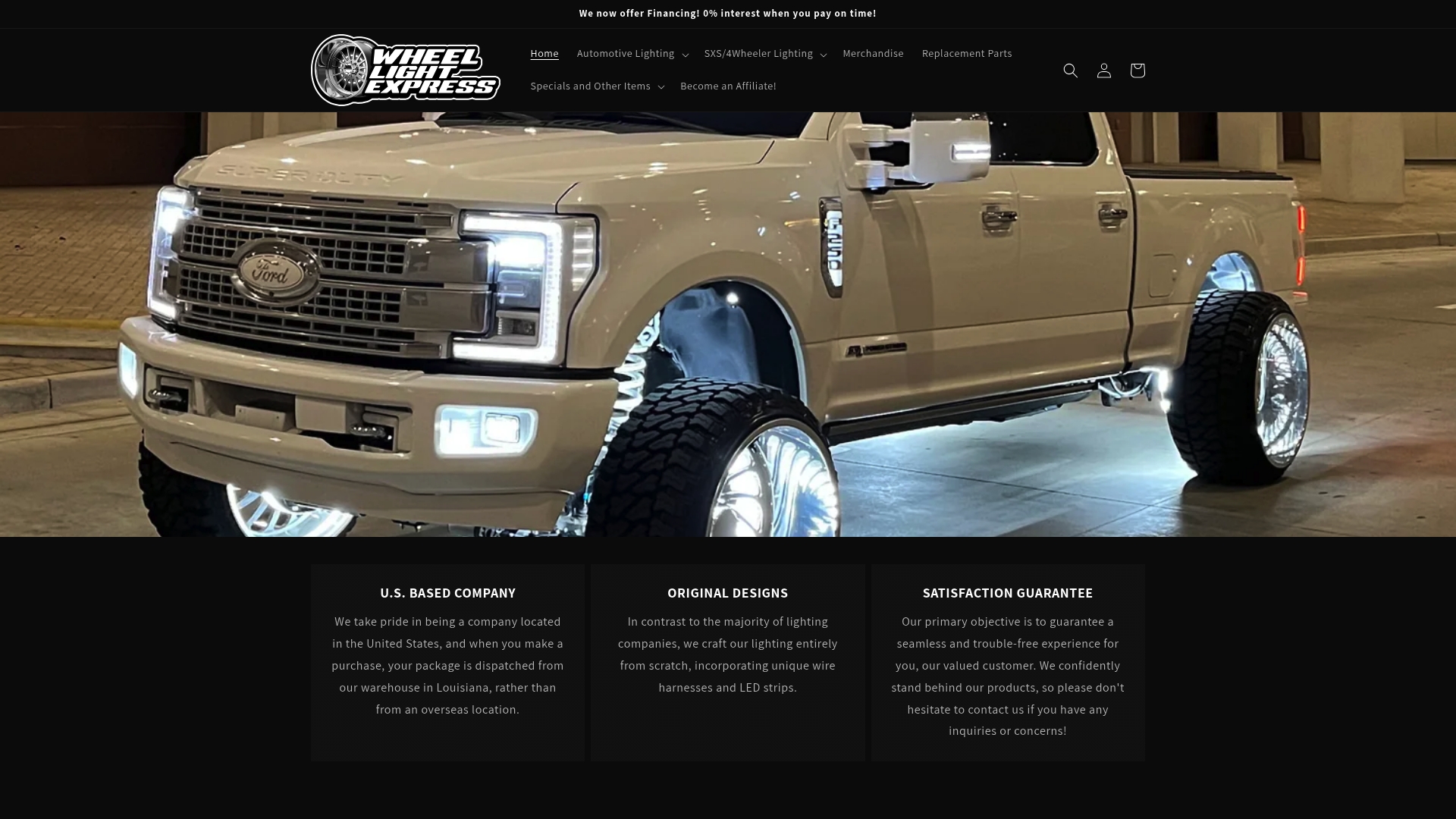
The Wheel Light Ring and Strip is the flagship product, delivering a signature wheel glow that works on trucks, muscle cars, and custom builds. For replacements and expansions, the replacement wire harness provides a clean, purpose-built wiring solution that eliminates the guesswork of universal adapters. Financing options are available, so you can get the full setup without waiting. Browse the complete aftermarket lighting collection to find the right fit for your vehicle.
FAQ
What are the main benefits of custom car lighting?
Custom car lighting improves visibility, enhances vehicle aesthetics, and delivers long-term value through LED efficiency and durability. LEDs illuminate road signs up to 40% farther than halogens and last over 50,000 hours with proper thermal management.
What color temperature is best for custom headlights?
The 5,000K–6,000K range provides optimal nighttime visibility by mimicking natural daylight. Color temperatures above 6,500K reduce visibility in fog, rain, and other adverse weather conditions.
Does custom lighting affect a vehicle’s electrical system?
Yes, but properly engineered LED upgrades reduce electrical load. High-quality LEDs draw only 20–35 watts compared to 55–65 watts for standard halogens, lowering strain on the alternator and battery.
Are custom lighting upgrades street legal?
Custom lighting products that meet SAE and DOT standards are street legal. Generic plug-and-play kits often skip optical and compliance engineering, which can result in failed inspections or legal issues.
How do I avoid overheating with LED lighting upgrades?
Choose products with integrated heat sinks and documented thermal management specs. Inadequate heat dissipation is the leading cause of premature LED failure, regardless of the bulb’s rated quality.